The Gulf’s AI Growth Faces Challenges with Undersea Cables
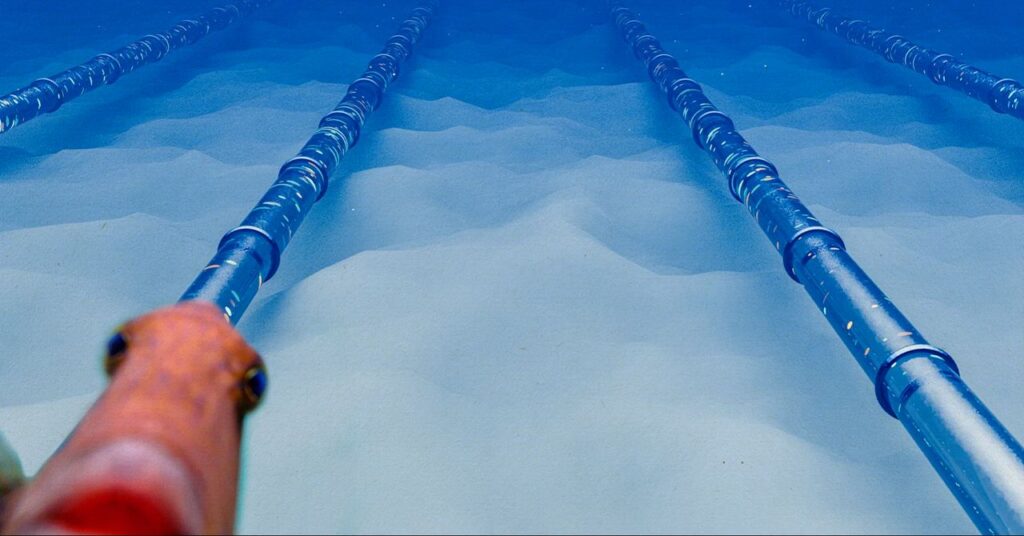
The Gulf’s AI aspirations hinge on a surprisingly delicate factor: a few undersea cables traversing some of the world’s most volatile waters.
Nations like Saudi Arabia and the UAE have invested billions in AI infrastructure, attracting major tech companies and establishing themselves as future leaders in compute capacity exports. However, as the region transitions from oil-based wealth to AI-driven economies, the very infrastructure that supports this data flow is becoming a strategic liability.
Undersea cables have historically fueled the global internet. Today, they are becoming vital geopolitical assets.
In light of recent tensions between the US, Israel, and Iran, experts have cautioned that regional conflict could endanger critical cable infrastructure in the Gulf. Reports in May indicated that Iran was contemplating seizing control of all seven undersea cables passing through the Strait of Hormuz.
These cables carry approximately 95 percent of all international data traffic. For the Gulf region, the issue lies in concentration; much of its connectivity to Europe and the US relies on just a few routes through the Red Sea and the Strait of Hormuz.
The Middle East is strategically positioned at the crossroads of Europe, Asia, and Africa, making it one of the world’s most significant transit zones for global internet traffic.
Today, a compromised cable could do more than just slow down internet access; it could jeopardize the Gulf’s burgeoning AI business landscape.
Gulf nations are working to convert their energy wealth into AI infrastructure, exporting computing power and cloud capabilities much like they once did with hydrocarbons.
As economies in the Middle East prepare to be major compute capacity exporters, their reliance on these cables is intensifying, especially since hyperscale companies establishing operations in the region are demanding unprecedented levels of resilience.
In contrast to conventional internet traffic, AI infrastructure necessitates large, continuous data flows between hyperscale data centers, cloud service providers, and enterprise clients. Even minor interruptions can have significant operational and financial repercussions, making robust fiber infrastructure an essential commercial requirement.
“Hyperscalers and regional carriers are advocating for diversification because their needs have evolved beyond just bandwidth. They now seek multiple independent routes, predictable latency, and resilience during geopolitical tensions,” states Imad Atwi, partner at the management consulting firm Strategy& Middle East.
AI Is Forcing the Gulf to Rethink Connectivity
The pressures are escalating. In 2025, two cables connecting Europe with the Middle East and Asia were severed in the Red Sea, degrading internet connectivity throughout the Gulf for days, resulting in an estimated $3.5 billion in damages due to lost services.
This occurrence happened before the AI rollout had gained momentum and data centers were coming online. Currently, hyperscalers expect the same resilience standards in the Middle East that they rely on for transatlantic and transpacific connections, which typically utilize four or five distinct network paths to minimize disruption.
In stark contrast, the Gulf remains heavily reliant on a limited number of routes.
“Hyperscalers now demand similar route diversity in the Middle East, both for Gulf-Europe connections and for Europe-Asia traffic passing through the region,” asserts Bertrand Clesca, partner at subsea cable experts Pioneer Consulting.
For years, proposed terrestrial and subsea routes across the Middle East faced challenges due to regulatory hurdles, political instability, and regional conflicts.
Now, many of these routes are being reevaluated as crucial digital infrastructure.
Atwi highlights a multi-faceted strategy evolving across the Gulf. The first layer consists of Gulf landing stations linked by terrestrial fiber pathways through Saudi Arabia, the UAE, and Oman, extending toward Europe and Asia via Jordan and the Levant. A second layer would introduce new subsea-terrestrial systems avoiding chokepoints around Egypt and Bab el-Mandeb, while a third would establish northern overland routes through Iraq, Syria, and Turkey.
The Internet’s New Strategic Corridors
Some of the region’s most ambitious projects involve nations that were previously viewed mainly through the lens of conflict.
Terrestrial systems, like the one proposed through Syria, can accommodate up to 144 fiber pairs compared to the 24 typically found in today’s subsea cables, signifying enormous capacity potential. However, their above-ground nature makes them more susceptible to physical disruptions, and this risk is very real.

Rajat Sharma
https://in.linkedin.com/in/rajat-mediaHelping D2C Brands Scale with AI-Powered Marketing & Automation 🚀 | $15M+ in Client Revenue | Meta Ads Expert | D2C Performance Marketing Consultant