The Massive Power Move
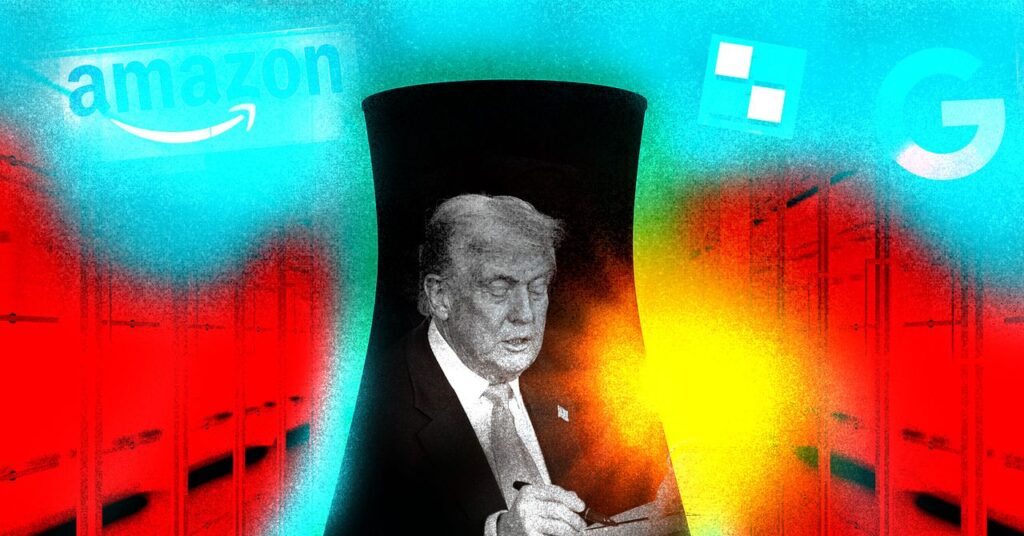
Recall the year 2017. Get Out and The Shape of Water were lighting up the box office, Zohran Mamdani was still performing as rapper Young Cardamom, and the Trump administration had just begun its term, eager to bolster its preferred energy sectors.
That year, the administration rolled out a set of subsidies aimed at aiding struggling coal and nuclear power plants, which were encountering mounting price competition from natural gas and affordable renewables. This initiative risked taxpayer funds to the tune of billions. Ultimately, it fell short.
In the following years, the nuclear sector faced persistent challenges. Since 2020, three nuclear facilities have closed, while the construction of two out of the only four reactors initiated since 2000 was halted after a decade plagued by a political scandal and financial overruns. Coal, on the other hand, has continued its downward trajectory: it now constitutes just 17% of the US energy mix, down from a peak of 45% in 2010.
Now, both energy sources are receiving new opportunities. The current excitement around AI is a notable factor, but it’s uncertain if the results will differ significantly this time.
Throughout 2025, the Trump administration has not only committed to advocating for nuclear energy but has also framed it specifically as a response to AI’s energy requirements. In May, the president enacted a series of executive orders aimed at enhancing nuclear power in the US, including plans for the construction of 10 new large reactors by 2030. A pilot initiative at the Department of Energy, established through May’s orders—along with a significant overhaul of the nation’s nuclear regulatory body—has already produced advancements from smaller enterprises. Energy Secretary Chris Wright remarked in September that advances in AI “will be expedited by swiftly unlocking and deploying commercial nuclear power.”
This administration’s initiative mirrors investments from major tech firms. Industry leaders like Google, Amazon, and Microsoft have made numerous partnerships in recent years with nuclear enterprises to address their data center energy needs; Microsoft has even become a member of the World Nuclear Association. Several retired reactors in the US are under consideration for reopening—including two of the three that have ceased operations in the past five years—with tech companies backing some of these efforts. (Notably, Microsoft is leading a prominent initiative to restart the infamous Three Mile Island, with additional backing through a $1 billion federal loan.) It’s an opportune time for both public and private sectors to advocate for nuclear power: public support for nuclear is currently at its highest level since 2010.
In spite of all this, the realities of nuclear energy cast uncertainty on its future. Most of nuclear energy’s expenses arise not from stringent regulations but from construction challenges. Critics express concern over inflated valuations for small modular reactor firms, particularly those closely tied to the Trump administration. An $80 billion contract the government signed with reactor giant Westinghouse in October lacks sufficient detail, raising more questions than it answers for the industry. Even with high-profile tech agreements promising rapid reactor deployment, timelines remain complicated.

Rajat Sharma
https://in.linkedin.com/in/rajat-mediaHelping D2C Brands Scale with AI-Powered Marketing & Automation 🚀 | $15M+ in Client Revenue | Meta Ads Expert | D2C Performance Marketing Consultant