Apple Agrees to Pay $250 Million to Resolve Lawsuit Regarding Siri’s AI Capabilities
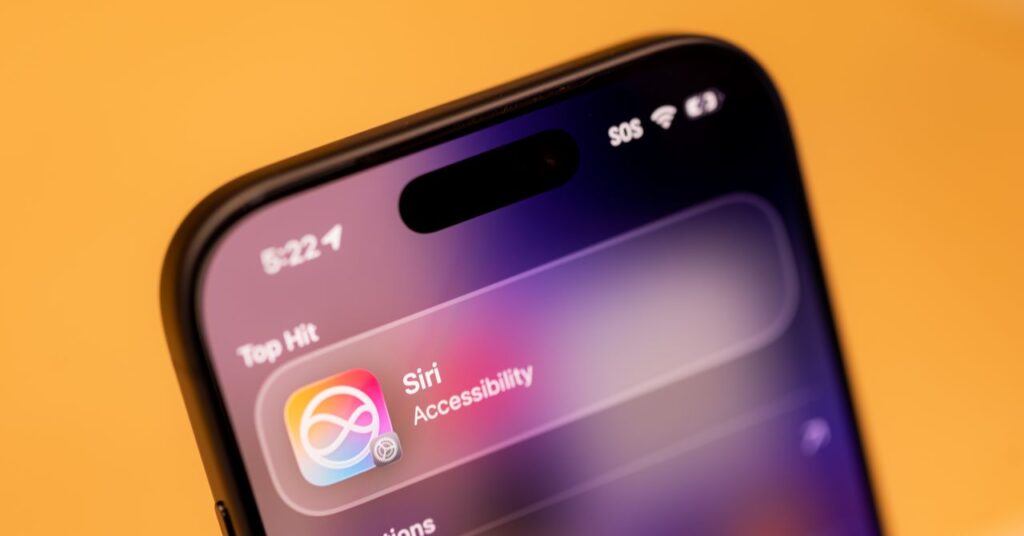
Apple has consented to pay $250 million to resolve a class-action lawsuit regarding false advertising, which claims the company exaggerated the capabilities of its Apple Intelligence features—particularly a promised AI revamp of Siri that, according to the plaintiffs, has yet to be realized and could be years away, as stated by their legal representatives.
This announcement comes just ahead of Apple’s anticipated unveiling of an AI-enhanced Siri at its developer conference in June, marking another attempt to showcase a significantly upgraded digital assistant for the iPhone.
The lawsuit alleges that Apple flooded the market with misleading advertisements, leading consumers to purchase iPhones based on “the promise of specific Enhanced Siri features” first introduced at its Worldwide Developers Conference in 2024, shortly before the release of the iPhone 16.
Filed Tuesday in a California federal court, the proposed settlement is among the largest Apple has ever reached. It is applicable only to U.S. customers who purchased any model of the iPhone 15 or iPhone 16 between June 10, 2024, and March 29, 2025. Eligible claimants could receive up to $95 per device, depending on their claim.
According to court documents, a $250 million common fund will offer successful claimants “a presumptive per-device payment of $25 for each eligible device, which may vary to a maximum of $95 per device depending on the claim … The Settlement also indicates that Apple expects to provide additional Siri Apple Intelligence features in future software updates without extra cost.”
Further documentation reveals that Apple’s advertising caught the attention of the Better Business Bureau’s National Advertising Division, which concluded that “Apple’s claim that Apple Intelligence is ‘available now’ implied that the upgraded Siri was accessible at launch, which was not the case.” In March 2025, Apple informed consumers that Enhanced Siri features would be available at a later date.
The settlement, pending judicial approval, does not imply any admission of guilt from the company. Marni Goldberg, an Apple spokesperson, told The New York Times that with “the launch of Apple Intelligence,” the company has “introduced numerous features across multiple languages integrated into Apple’s platforms,” but they have “resolved this matter to stay focused on what we do best, delivering the most innovative products and services to our users.”
Last year, Apple acknowledged that its AI enhancements for Siri were behind schedule. In a March 2025 statement to Daring Fireball, Apple spokesperson Jacqueline Roy mentioned that the company had “been working on a more personalized Siri, enhancing its awareness of your personal context, and enabling it to act on your behalf across various apps,” but admitted it would take “longer than expected to deliver these features, with a rollout anticipated in the coming year.”
The day after this statement, Apple reportedly withdrew an advertisement featuring Bella Ramsey, showcasing a version of Siri capable of responding to the question, “What’s the name of the guy I had a meeting with a couple of months ago at Cafe Grenel?”
This marks the second time in as many years that Apple’s voice assistant has led to significant financial repercussions for the company. In May of last year, Apple agreed to a $95 million payout to settle a class-action lawsuit regarding allegations that Siri eavesdropped on private conversations.

Rajat Sharma
https://in.linkedin.com/in/rajat-mediaHelping D2C Brands Scale with AI-Powered Marketing & Automation 🚀 | $15M+ in Client Revenue | Meta Ads Expert | D2C Performance Marketing Consultant