The Viral AI Fruit Videos Have a Disturbing Underbelly
“I’ve dedicated a significant amount of time to examining the comment sections of these videos, and they don’t appear to be generated by bots. I checked the profiles of commenters; they are legitimate profiles, with thousands of followers and no evidence of artificial engagement,” Maddox states. “People genuinely like it.”
However, even if the views and interactions are authentic, it doesn’t guarantee that this content is currently profitable. Maddox pointed out that since the accounts are relatively new, they likely have not yet signed up for TikTok’s Creator Fund or other revenue-sharing programs, as these typically require applications and a certain level of views. Nonetheless, Maddox believes the earning potential is substantial, with the possibility of earning thousands per video if they attract millions of views.
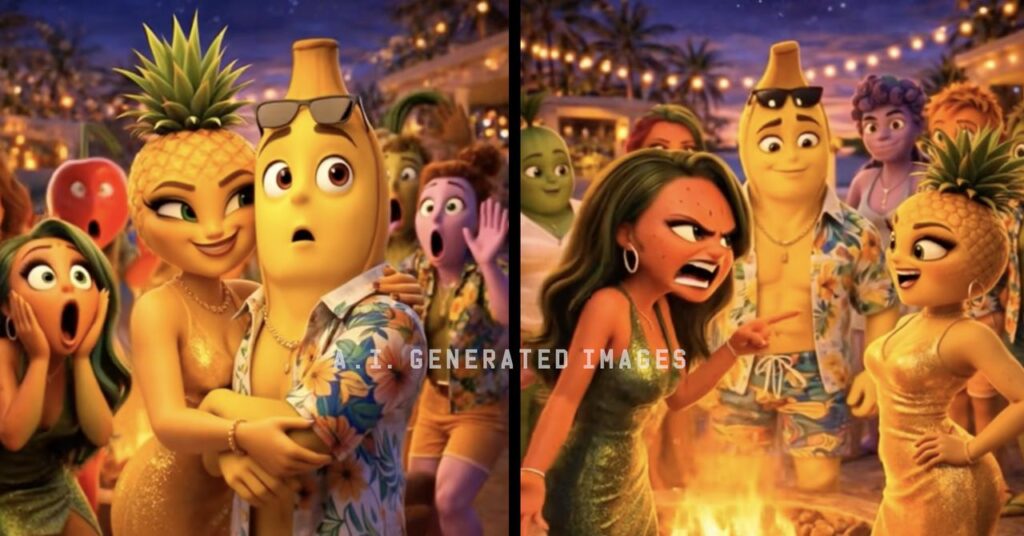
AI fruit-themed content began appearing earlier in March, prior to Fruit Love Island, but many newly created accounts seem to draw inspiration from its popularity. There’s The Summer I Turned Fruity, inspired by the teen drama The Summer I Turned Pretty; The Fruitpire Diaries, a take on the CW series The Vampire Diaries; and Food Is Blind, based on Netflix’s Love Is Blind.
Earlier examples of AI fruit content include the Italian brainrot characters such as Ballerina Cappuccina and Bombardino Crocodilo, as well as the Elsagate controversy. Yet, the newly emerging AI fruit miniseries, which aim to weave a narrative across several segments or episodes, most closely resemble microdramas—short, scripted series that American tech companies are increasingly investing in. Like the AI fruits, these brief episodic shows are designed for optimal social media performance, ultimately guiding viewers to paid follow-ups.
Ben L. Cohen, an actor in Los Angeles with credits in about 15 of these vertical microdramas, identifies a shared theme between the AI fruit dramas and the shows he’s involved in: each features “plenty of violence against women.” These clips also try to pack as much drama as possible into short durations, flaunting eye-catching titles such as “Alpha Werewolf Daddy Impregnated Me,” Cohen remarks.
“It captivates viewers, I believe, with its jarring, surreal, cartoonish nature. It’s exaggerated abuse, yet still abuse.”
Opportunities for vertical microdrama acting remain in LA, which isn’t the case for all acting roles currently. Cohen has discussed with peers in the industry about the increasing integration of AI into these videos, posing a potential risk to human actors in clickbait content. After all, producing AI fruit episodes is faster and more cost-effective than traditional methods. It raises a significant question—will some viewers prefer AI-generated series over their inspirations? Already, the answer seems to be yes.
“How will Love Island compete with AI Fruit Love Island?” questioned a TikToker with over 70,000 followers, suggesting that the AI fruit adaptation was more engaging than the original reality series. She later removed the video due to backlash, but others shared her perspective.
“I think TikTok has greatly contributed to this trend,” Cohen comments on the audience’s dwindling attention span and preference for compressed, sometimes AI-driven drama. “It makes sense that people are drawn to a one-minute clip, then feel inclined to watch another. You’re not making a full commitment to a 20-minute episode, let alone 40 minutes or an hour. You can simply enjoy one minute.”

Rajat Sharma
https://in.linkedin.com/in/rajat-mediaHelping D2C Brands Scale with AI-Powered Marketing & Automation 🚀 | $15M+ in Client Revenue | Meta Ads Expert | D2C Performance Marketing Consultant