Startup Claims to Have Discovered an Untapped Source of Geothermal Energy
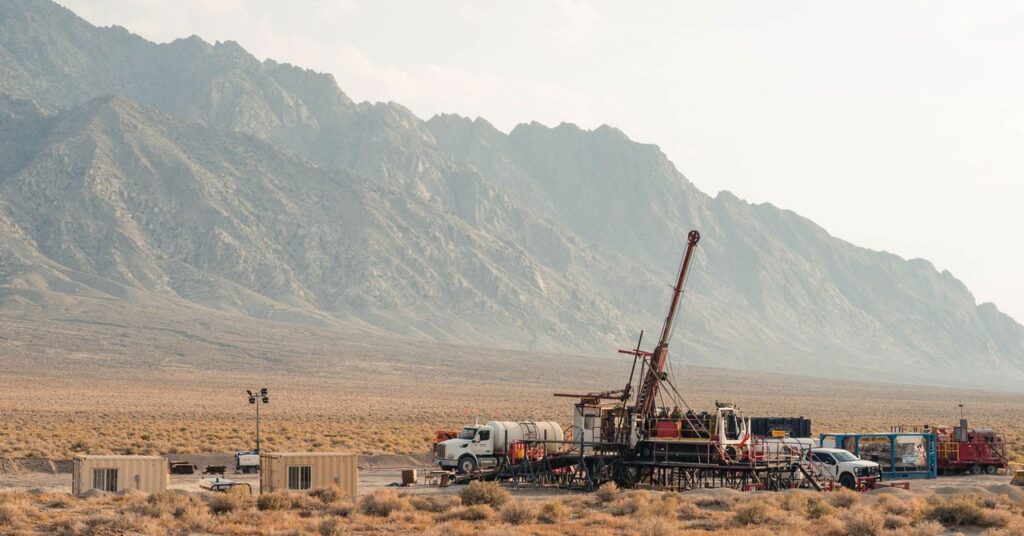
A geothermal startup announced on Thursday that it has discovered a significant opportunity in Nevada—metaphorically speaking. Zanskar, leveraging AI to locate concealed geothermal resources deep underground, has identified a new site that is potentially commercially viable for a power plant. The company asserts that this discovery is the first of its kind in decades within the industry.
This find represents the culmination of years dedicated to researching how to locate these resources and indicates the increasing potential of geothermal energy.
“When we launched this company, the prevailing sentiment was that geothermal was finished—it was seen as a graveyard full of failures,” states Carl Hoiland, a cofounder of Zanskar. “Reaching this point, thanks to new tools and capabilities, allows us to systematically identify these sites and mitigate their risks—we believe this is the first clear signal that the tide has shifted.”
In theory, geothermal energy is one of the most straightforward methods for generating renewable energy. Reservoirs of hot water beneath the Earth’s surface, heated by the Earth’s core, produce steam that can be utilized to drive turbines above ground, without the need for extensive mining or complex fuel conversions. Geothermal resources are particularly accessible in regions where tectonic plates converge and the Earth’s crust is thinner, making the western US an ideal location for power plants. The largest developed geothermal field in the world, located in California, was established on a site of hot springs utilized by humans for thousands of years; the first power plant there was constructed in the early 1920s.
However, a critical challenge in the geothermal equation is locating these resources. It is uncommon to find surface hot springs or vents that lead to a viable site for a power plant. Most geothermal systems capable of generating electricity are situated deep underground, with no surface indicators. These systems are referred to as hidden or blind systems—identifying their locations proves to be surprisingly difficult. Consequently, many geothermal power plants are established over systems discovered by chance while drilling for agricultural wells, minerals, or during oil and gas exploration.
“It’s akin to a needle-in-a-haystack challenge,” notes Joel Edwards, Zanskar’s other cofounder. “Only a tiny fraction of the land surveyed will have an associated geothermal system.”
In the 1970s, amid the oil crisis, the federal government aimed to boost the US’s geothermal energy production. As part of this initiative, they created a mapping grid in Nevada to methodically explore for blind systems.

Rajat Sharma
https://in.linkedin.com/in/rajat-mediaHelping D2C Brands Scale with AI-Powered Marketing & Automation 🚀 | $15M+ in Client Revenue | Meta Ads Expert | D2C Performance Marketing Consultant