My Short Summer Romance with Siri AI
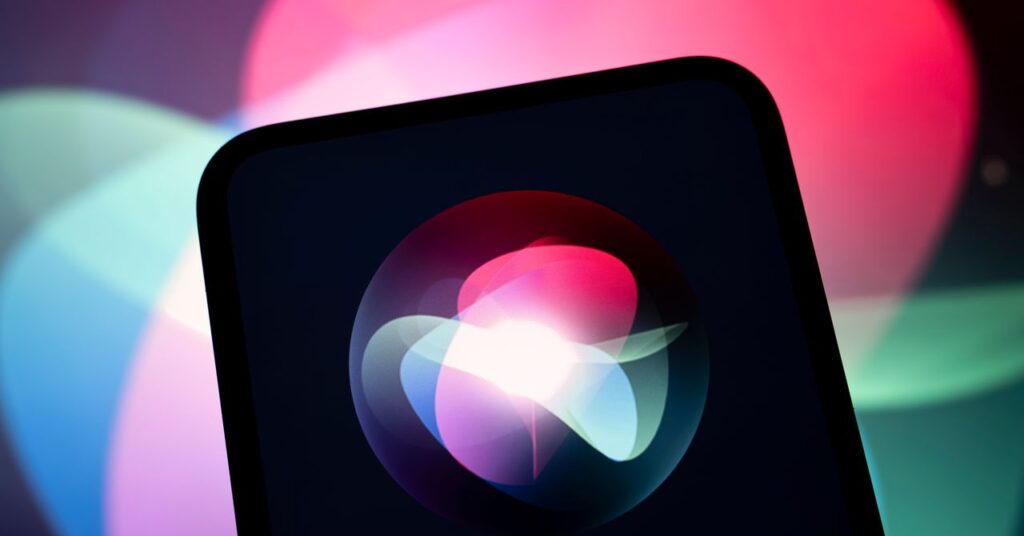
Initially experimenting with Apple’s Siri AI developer beta as my guide in San Francisco, I believed this revamped smartphone assistant would become an “everything tool” on my iPhone. The responses seemed reliable and more useful than earlier Siri versions. Plus, the chatbot-like interface felt sleek and distinctly Apple.
In the following month, I continued to explore Siri AI within the iOS 27 beta. The tool demonstrated considerable strength, especially thanks to its ability to tap into my personal context by indexing my phone’s content. Locating an old text message or photo has never been this effortless. Yet, my reliance on the smartphone assistant began to decline.
It’s not that Siri AI has stagnated. Quite the opposite! This new version marks a significant improvement, making my disappointment even more pronounced. Siri AI isn’t transforming how I engage with my phone as I had originally anticipated, particularly given its integration as a built-in assistant focused on privacy more than many other AI platforms.
While I wasn’t seeking out interactions with Siri AI, I didn’t mind its role as essentially being the smartphone’s search bar. As the summer drew to a close, I found myself neither negative nor overly enthusiastic about Siri AI; I had simply become more indifferent.
Old habits are tough to break. Before long, I returned to my usual doomscrolling on Instagram and pointless Yelp searches. I was back to manually entering queries rather than leaning on a smartphone assistant. Additionally, I was already engaged with another chatbot, Anthropic’s Claude, which I frequently utilized on my device.
Even if some AI enthusiasts aren’t fully embracing this new Siri, analysts suggest this won’t be an issue, as average users often prefer Apple’s default software. “Will Siri face criticism for not matching the capabilities of its competitors? Absolutely,” states Dipanjan Chatterjee, vice president and principal analyst at Forrester, a research and consultancy firm. “But will this affect the vast iPhone user base and drive them to alternatives? Not likely.” Many iPhone users trust Apple with their data in ways they may not with other companies, which could benefit Siri AI.
Tech analysts perceive Apple’s long-established consumer trust in data privacy as a significant differentiator. Ramon Llamas, a research director at the International Data Corporation focusing on the mobile device market, believes that users deeply embedded in the Apple ecosystem, who previously hesitated about the safety of other AI tools, may now be open to trying out the latest Siri.
My experience with Siri AI—initially enthusiastic but ultimately distancing myself—might be an exception. Many other beta testers continue to enjoy using the smartphone assistant.
“Previously, I was skeptical about Siri’s usefulness,” shares Avi Greengart, founder and lead analyst at Techsponential. “However, with the recent beta software, I’ve found myself not only using it more but also for a broader range of tasks: Siri now retrieves information stored on my phone faster and more effectively than before; its knowledge base has significantly expanded, and dictation has improved as well.”
That being said, a cultural backlash against generative AI is apparent. A segment of iPhone users may choose to bypass the new Siri entirely due to its association with AI. Whether stemming from ethical concerns or a general distrust of AI tools, these users are unlikely to be swayed by Siri’s enhancements.
In the end, my fleeting summer romance with Siri AI was short-lived. But I assure you, it’s not you. It’s me.

Rajat Sharma
https://in.linkedin.com/in/rajat-mediaHelping D2C Brands Scale with AI-Powered Marketing & Automation 🚀 | $15M+ in Client Revenue | Meta Ads Expert | D2C Performance Marketing Consultant