The Unclear Realities of Sora
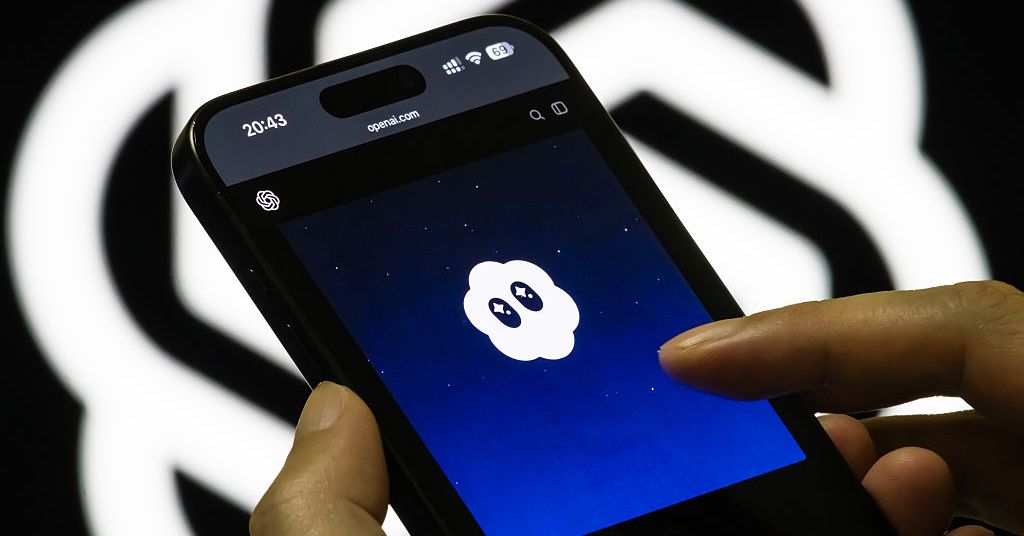
As a solely creative tool, Sora, the latest AI video application from OpenAI, is revolutionary. Imagine any scene, and it materializes instantly. Freddy Krueger competing on Dancing With the Stars. Mr. Rogers instructing Tupac Shakur on the lines of the iconic rap diss “Hit Em Up.”
However, along with its groundbreaking features, Sora also carries significant risks.
This has been true for generative AI since its inception. The potential for misuse is intertwined with the incredible creations of generative AI. Sora carries forward the visual medium’s longstanding tradition of “elaborate deceptions,” crafting something stranger, more animated, and less trustworthy. (This perspective has dominated nearly every discussion surrounding the app, and rightly so.)
“Skepticism should be our default mindset as we navigate these times,” states Marlon Twyman, a quantitative social scientist at USC Annenberg specializing in social network analysis.
OpenAI CEO Sam Altman acknowledges the risks involved. He proposes that Sora could initiate a “Cambrian explosion” of innovation in art and entertainment, but warns it may also lead to “us all being caught in a [reinforcement-learning-optimized] slop feed.”
More striking, however, are the questions Sora raises regarding the future of social media and our expectations from it.
Similar to Vine and TikTok, Sora is designed to be addictive. Short ten-second videos. Infinite scrolling. Users can generate a digital version of themselves and share content (termed a “cameo”) by entering prompts; uploading photos or videos from personal libraries is prohibited. The app’s rapid ascent—it exceeded 1 million downloads within its first week—coincides with a period of weakening truths, where the value of fact and reason is continuously declining. Unlike Vine and TikTok, Sora “feels distinctively indicative of the current phase of social media,” says Twyman. “It’s no longer centered around individuals.”
This concern is echoed by developers who argue there are now too many social networking platforms lacking a genuine understanding of social dynamics. Like Sora, they are “inherently antisocial and nihilistic,” remarks Rudy Fraser, the creator of Blacksky, a custom feed and moderation service for Black users on Bluesky. “They’ve ceased to promote real human connections and instead aim to profit from artificial interactions and manufactured dopamine.”
Many might believe that Sora signifies a new age of social media, but that’s a misconception. Sora is trying to revitalize our current social landscape. It seeks to cling to something that people are increasingly finding less valuable. “We’ve definitely moved past the era of hashtags, clout-chasing, and the thirst for virality in social media,” concludes Fraser.

Rajat Sharma
https://in.linkedin.com/in/rajat-mediaHelping D2C Brands Scale with AI-Powered Marketing & Automation 🚀 | $15M+ in Client Revenue | Meta Ads Expert | D2C Performance Marketing Consultant