Is Cursor a Viable Platform for OpenAI and Anthropic’s Models Within SpaceX?
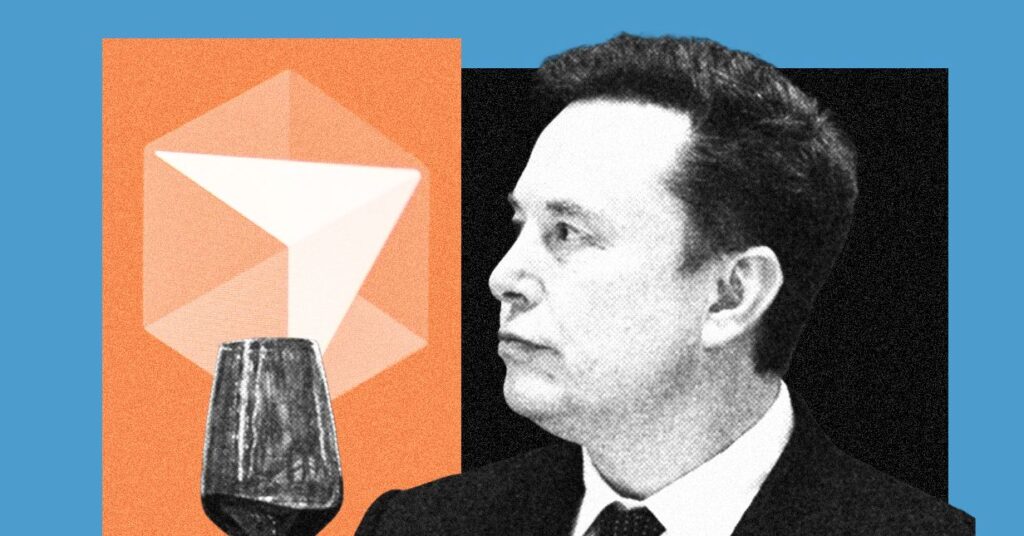
Last month, when SpaceX declared its intention to acquire the well-known AI coding startup Cursor for $60 billion, investors anticipated a favorable outcome for both entities. Cursor stands to gain substantial computing resources from a prominent AI lab to further train its models. Conversely, SpaceX and Elon Musk would acquire one of the leading AI developer tools on the market.
However, it remained uncertain whether Cursor could sustain an open platform post-acquisition, or if competing AI labs would continue to permit it to use their models. Historically, third-party AI models have been vital to Cursor’s operations. Although the company has begun training its own AI models in recent years, it has consistently allowed users to select from a range of options provided by Anthropic, OpenAI, and other AI labs to enhance its coding assistant.
This approach enabled Cursor to provide customers with the best or most cost-effective model available at any time. It also benefitted Anthropic and OpenAI, both of which regard Cursor as one of their largest clients and prominently feature the startup in their promotional content.
Once SpaceX’s acquisition is officially completed later this year, Cursor aims to continue functioning its AI coding product as a platform—utilizing models not only from Anthropic and OpenAI but also from other AI labs, alongside its own—as per insiders familiar with Cursor.
I remain skeptical about how this situation will unfold, but whether Cursor retains its model-neutral stance is a crucial question looming over the AI landscape.
Eno Reyes, cofounder and chief technology officer of Factory, a smaller AI coding startup competing with Cursor, expresses uncertainty regarding whether SpaceX’s competitors will automatically deny Cursor access just because it will be under the ownership of a rival AI lab. “I don’t know if the decision is that straightforward,” Reyes comments. “It’s quite ambiguous to us.”
Cursor opted not to comment for this article. Anthropic, OpenAI, and SpaceX did not respond to requests for commentary.
Navigating Relationships
This isn’t the first instance where Cursor’s dealings with OpenAI and Anthropic have faced scrutiny. Traditionally, Cursor has augmented the AI labs by distributing their models through its coding platform. However, it now finds itself more frequently in direct competition with them as OpenAI’s Codex and Anthropic’s Claude Code have emerged as significant components of their respective businesses. The SpaceX acquisition will likely escalate this rivalry.
SpaceX and Cursor cannot disclose much about their operations post-acquisition, partly because the deal is not yet finalized and awaits “necessary regulatory approvals,” according to documents filed by SpaceX with the US Securities and Exchange Commission. Nevertheless, SpaceX is set to acquire Cursor’s assets, customer contracts, and intellectual property—implying that OpenAI and Anthropic will need to engage with Musk if they wish to access Cursor’s user base.
Once the acquisition is finalized, it’s conceivable that SpaceX will opt to withhold business from Anthropic and OpenAI, two of its primary competitors in the avant-garde AI development field. Anthropic and OpenAI may choose not to provide their AI models through a product owned by Musk, particularly since both companies’ CEOs, Dario Amodei and Sam Altman, have had their share of conflicts with him in the past.
Historically, AI labs have not always collaborated amicably in the exchange of AI models. Last year, Anthropic swiftly cut off access to Windsurf once news emerged regarding OpenAI’s plans to acquire the AI coding startup (the deal ultimately fell through). Anthropic cofounder Jared Kaplan remarked at the time that it “would be peculiar to sell Claude to OpenAI.” In the months following, Anthropic has taken steps to restrict OpenAI and SpaceX from utilizing its Claude AI models.

Rajat Sharma
https://in.linkedin.com/in/rajat-mediaHelping D2C Brands Scale with AI-Powered Marketing & Automation 🚀 | $15M+ in Client Revenue | Meta Ads Expert | D2C Performance Marketing Consultant