Why the Latest Trending Wearables Aim for Discreetness
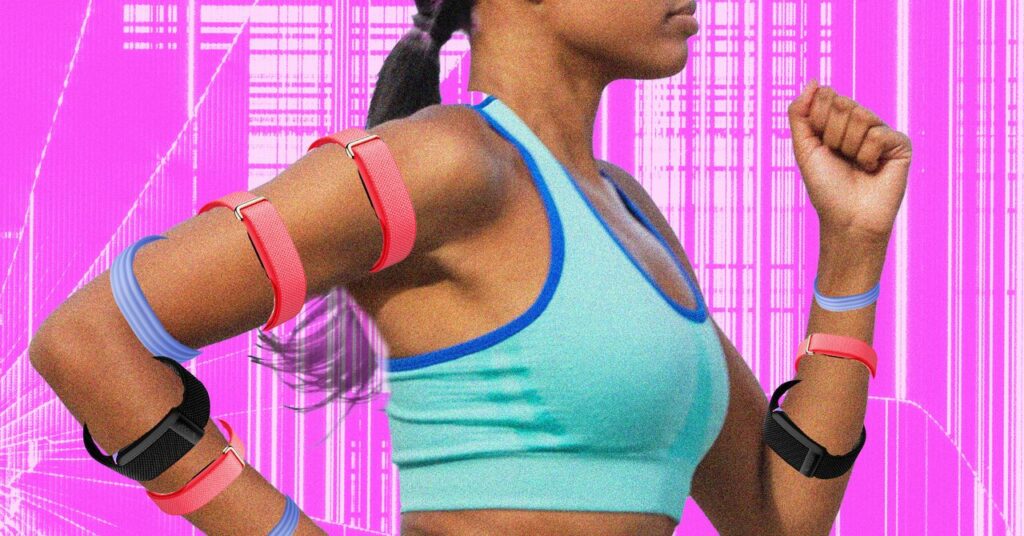
Since its initial release in 2015, Whoop has been creating screen-free wearables, and its evolving identity reflects changes seen in the broader market. Nowadays, a Whoop band caters to anyone willing to pay for its $199 annual subscription. It’s designed to “help you improve how you sleep, train, and feel—starting day one,” in the company’s own words. This represents a significant departure from its 2015 self-description as a “performance optimization system exclusively designed for elite athletes and teams.” A decade really makes a difference.
Although Whoop has always been based on the now-familiar concept of “training readiness,” significant changes have occurred. So, while it might seem that Google’s Fitbit and similar brands are lagging behind Whoop, the reality is more complex. They have also tapped into the “low-distraction” lifestyle marketing strategy, similar to larger tech firms.
At least three aspects of this can be linked—either positively or negatively—to AI.
AI as the Good and Bad Guy
AI serves as a tool for these wearable companies to enhance sales while also being a key reason many of us feel the need for low-distraction technology today. Although nearly all Whoop competitors claim their devices can be used without a subscription, many rely heavily on AI as a sales tactic.
Consider Google and the Fitbit Air. Without a subscription, the app has a pleasant interface but lacks depth. You can access stats and charts, but if you want comprehensive explanations, you’ll need Google Health Premium at $10 per month. Data points and graph lines transform into narratives that delve into specific details, echoing the sentiment from humorist and podcaster John Hodgman: specificity is the soul of narrative.
And this is just the beginning. “The use of AI in monitoring and guiding health and wellness is still in early development but is expected to advance significantly as AI technology evolves,” says Peter Richardson, vice president and co-founder of Counterpoint Research.
I find Google Fitbit’s chatbot exchanges rather tedious, occasionally verging on condescending, and I may even prefer the experience without a subscription. However, my position has required me to understand concepts like VO2 Max and heart-rate variability trends: not exactly the norm.
AI could address the persistent issue wearables face—users tuning out data beyond basic step counts. This AI capability will be better illustrated on mobile devices rather than watch screens, turning the absence of a display into an advantage that allows the AI to take center stage.
Technostress
The most significant impact of AI here relates to the evolving integration of technology in our daily lives. Friends have shared how recent performance reviews highlighted increased demands from higher-ups for greater AI integration into their “personal workflow.” Perhaps you’ve experienced something similar.
Elizabeth Marsh, a doctoral researcher at the University of Nottingham, examines the drawbacks of the digital workplace and notes that digital tools often generate familiar issues: technostress, information overload, constant interruptions, and blurred boundaries between work and home.

Rajat Sharma
https://in.linkedin.com/in/rajat-mediaHelping D2C Brands Scale with AI-Powered Marketing & Automation 🚀 | $15M+ in Client Revenue | Meta Ads Expert | D2C Performance Marketing Consultant