Meta’s Latest AI Model Elevates Mark Zuckerberg to the Major League
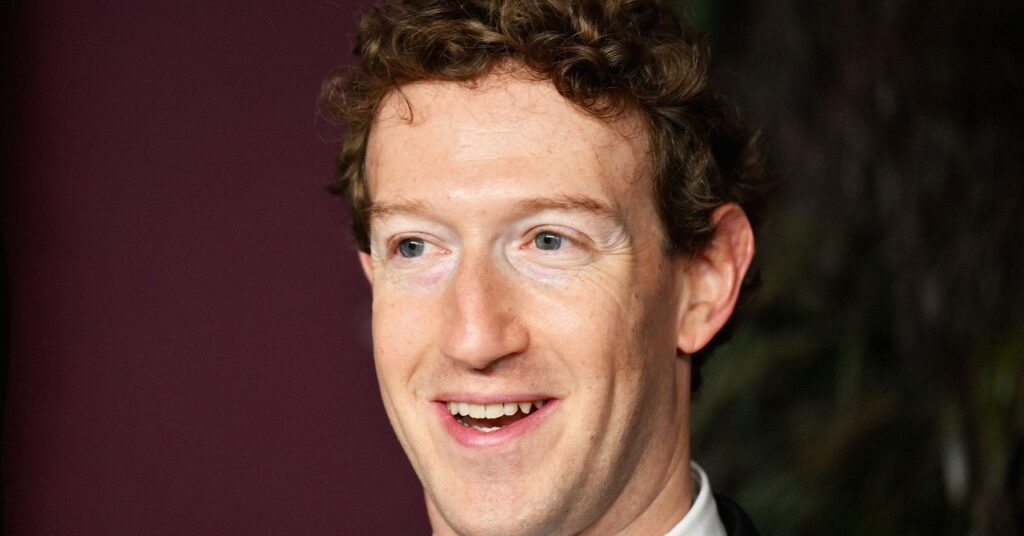
On Wednesday, Meta introduced its first significant model since CEO Mark Zuckerberg revamped the company’s AI initiatives last year with the establishment of Meta Intelligence Labs. Named Muse Spark, this model represents a move towards Zuckerberg’s aspiration of “personal superintelligence,” although it will initially remain proprietary.
In a social media update, Zuckerberg articulated that Meta aims to develop AI products that “don’t merely answer your inquiries but function as agents that take actions on your behalf.” He expressed optimism that this initiative will inspire a surge of creativity, entrepreneurship, growth, and well-being.
Muse Spark certainly seems to be a noteworthy advancement over Meta’s previous major launch, Llama 4, which debuted in April 2025 and was perceived as underwhelming within the technology sector due to lackluster performance.
Muse Spark is accessible through meta.ai and the Meta AI app. Unlike Llama, this new model will not be available for download, though the company hopes to open-source future iterations. Previously, Meta was regarded as a forerunner in open-source AI, offering its Llama models for researchers, startups, and enthusiasts to download and modify.
“Looking to the future, we intend to release increasingly sophisticated models that advance the boundaries of intelligence and capabilities, including new open-source models,” wrote Zuckerberg.
Meta’s internally reported benchmark metrics for Muse Spark indicate that the model outperforms some of the latest offerings from OpenAI, Anthropic, Google, and xAI. “Muse Spark is the initial step on our scaling journey,” Meta stated in a blog post, highlighting its objective to develop AI that surpasses human capabilities.
Artificial Analysis, a company specializing in AI benchmarking that received early access to Muse Spark, noted on social media that the new model ranks among the best it has assessed. “Muse Spark received a score of 52 on the Artificial Analysis Intelligence Index, placing it in the top 5 models we’ve benchmarked,” the company shared, referencing its scoring rubric that aggregates various independent benchmarks.
Meta asserts that the new model is inherently multimodal, indicating it has been trained to process images, audio, and video alongside text. Muse Spark also boasts advanced reasoning abilities, a critical feature of leading AI models today, and was developed from the ground up to possess strong coding skills. Meta described these attributes as the foundation for creating increasingly capable models through contemporary machine-learning techniques.
The company has stated that Muse Spark is designed to excel in providing medical counsel. “To enhance Muse Spark’s health reasoning abilities, we partnered with over 1,000 physicians to curate training data that results in more accurate and comprehensive responses,” the company noted in its blog post.
Zuckerberg has invested heavily in revamping Meta’s artificial intelligence capabilities since the launch of Llama 4. The tech giant attracted top AI talent from rival companies with compensation packages totaling hundreds of millions. Additionally, it has spent billions on acquiring or investing in several AI startups. Meta appointed Alexandr Wang, CEO of Scale, an AI training firm, to spearhead its AI efforts following a $14.3 billion investment in the company.
Moreover, Meta released a document detailing its strategy for responsibly scaling AI models to superhuman levels. The company’s Advanced AI Scaling Framework outlines the safety protocols it will implement as its models grow in sophistication.

Rajat Sharma
https://in.linkedin.com/in/rajat-mediaHelping D2C Brands Scale with AI-Powered Marketing & Automation 🚀 | $15M+ in Client Revenue | Meta Ads Expert | D2C Performance Marketing Consultant