Greg Brockman Stands by His $30B OpenAI Investment: “Hard Work and Dedication”
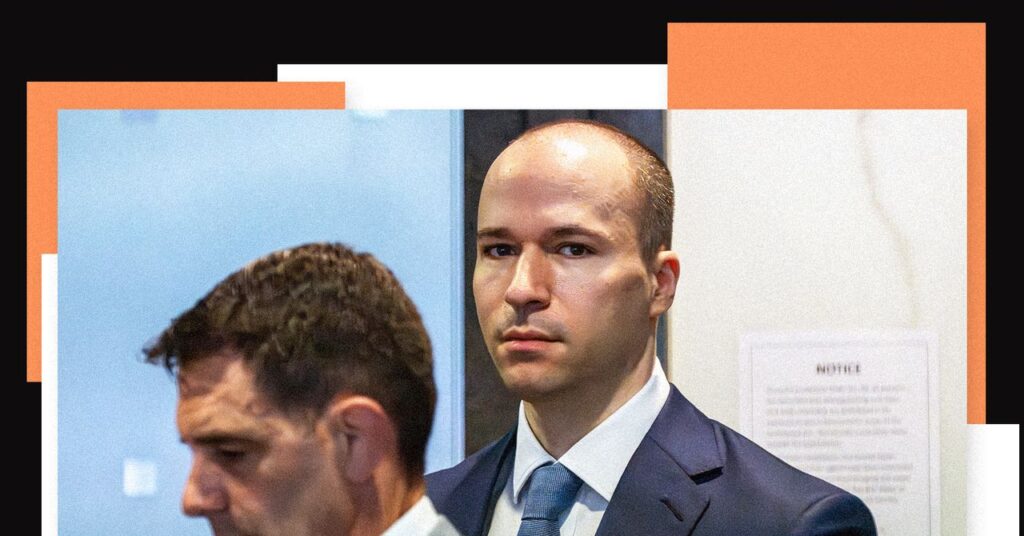
Two days prior to the onset of the Musk v. Altman trial, Elon Musk inquired with OpenAI cofounder and president Greg Brockman about a possible settlement. When Brockman proposed that both parties withdraw their claims, Musk remarked, “By the end of this week, you and Sam [Altman] will be the most disliked individuals in America. If that’s what you want, then so be it.”
This message—released publicly by OpenAI’s attorneys on Sunday, which Judge Yvonne Gonzalez Rogers later ruled could not be presented to the jury—highlights what may be Musk’s broader objective in this trial. He seems to aim not only at swaying the jurors to potentially unseat Brockman and CEO Sam Altman but also at uncovering damaging details about the two men and tarnishing OpenAI’s reputation.
As Brockman testified on Monday, Musk’s lawyer Steven Molo promptly began questioning him about his remuneration at OpenAI. Brockman disclosed that his equity in OpenAI is valued at more than $20 billion, possibly reaching as high as $30 billion. Although he initially pledged to donate $100,000 to OpenAI during its inception, he admitted that he ultimately did not fulfill that commitment.
Since cofounding OpenAI in 2015, Brockman has held several key positions within the organization. In its early days, the company operated from his apartment in San Francisco’s Mission District. Currently, he is heavily engaged in steering OpenAI towards a few critical products, including Codex. Over the past year, Brockman has contributed millions to super PACs supporting AI initiatives and President Trump, and he has stated that this boost in political contributions aligns with OpenAI’s foundational mission of developing artificial general intelligence for the benefit of humanity.
In court on Monday, Molo attempted to argue that Brockman and Altman had effectively drained the original nonprofit of OpenAI, an initiative that Musk had funded and helped establish.
During its formative years, OpenAI assured both investors and employees that its nonprofit vision would take precedence over profit-making. Brockman testified that his financial interests are still consistently subordinate to OpenAI’s nonprofit goals.
When OpenAI established its for-profit division in 2019, which inherited resources from the nonprofit, Brockman testified that he was granted a substantial stake in the new entity. In OpenAI’s early history, Brockman had expressed aspirations to become a billionaire, even jotting in his personal journal, “Financially what will take me to $1B?”
On Monday, Molo pressed Brockman for several minutes regarding the considerable wealth he had amassed beyond his initial aspirations.
“Why not donate that $29 billion to the OpenAI nonprofit? Why didn’t you do that?” Molo posed. Brockman replied that he and others had invested “blood, sweat, and tears” into the development of OpenAI since Musk’s departure.
According to Brockman, OpenAI’s foundation holds a stake exceeding $150 billion in the company, making it one of the wealthiest nonprofits in history. This figure is approximately five times greater than Brockman’s ownership share. Collectively, OpenAI employees possess around 25 percent of the shares, while the foundation controls 27 percent. Brockman testified that OpenAI’s nonprofit had received less than $150 million from donors, suggesting that Musk’s contribution was minor compared to those who remained committed to building out OpenAI.
Brockman’s stake in OpenAI could potentially exceed $30 billion if the company successfully goes public in the next two years. When queried about whether OpenAI was considering an IPO, Brockman indicated that he believes it is.

Rajat Sharma
https://in.linkedin.com/in/rajat-mediaHelping D2C Brands Scale with AI-Powered Marketing & Automation 🚀 | $15M+ in Client Revenue | Meta Ads Expert | D2C Performance Marketing Consultant