Anthropic Plans Significant Growth in London
Anthropic is relocating to a new London office as it aims to broaden its research and commercial presence in Europe, igniting competition among leading AI labs for talent emerging from British universities.
The company, which established its first London office in 2023, is moving to the same area as Google DeepMind, OpenAI, Meta, Wayve, Isomorphic Labs, Synthesia, and various AI research organizations.
Anthropic’s new office will span 158,000 square feet, accommodating 800 employees—four times its existing workforce—allowing it to potentially outpace OpenAI, which has also recently announced plans for expansion in London.
“The largest businesses and fastest-growing startups in Europe are opting for Claude, and we’re scaling up to meet that demand,” said Pip White, head of EMEA North at Anthropic. “The UK has ambitious enterprises and institutions that grasp the importance of AI safety, alongside an exceptional talent pool—we want to be at the heart of that synergy.
UK government officials have reportedly tried to encourage Anthropic to increase its London presence after the company had a falling out with the US administration. Anthropic has declined to permit its models for use in mass surveillance and autonomous weapon systems, resulting in an ongoing legal conflict with the Pentagon.
As part of its expansion, Anthropic plans to enhance its collaboration with the UK’s AI Security Institute, a government entity that recently released a risk assessment of its latest model, Claude Mythos Preview. According to Politico, the UK government is among the few in Europe granted access to this model, which Anthropic has made available only to select parties due to concerns about potential misuse by cybercriminals.
The growing concentration of AI firms in the same London area is a crucial step toward enabling research to be transformed into AI products, says Geraint Rees, vice-provost at University College London, which is located just around the corner from Anthropic’s new office.
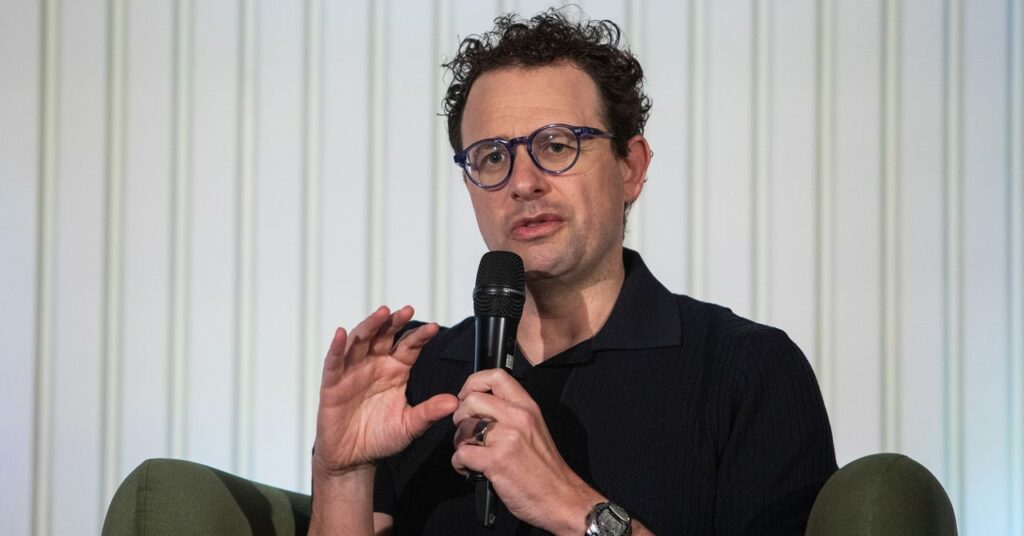
“This cluster wasn’t born out of a planning document. It developed because serious researchers and companies realize that being close together is essential,” he remarked last month at an event attended by WIRED. “This is how the innovation ecosystem truly operates. It’s not a straightforward, linear transfer from lab to market. It’s more complex, rich, and human than that.”

Rajat Sharma
https://in.linkedin.com/in/rajat-mediaHelping D2C Brands Scale with AI-Powered Marketing & Automation 🚀 | $15M+ in Client Revenue | Meta Ads Expert | D2C Performance Marketing Consultant