An Engineer’s Viral Post Against Laptop Surveillance Gains Attention at Meta
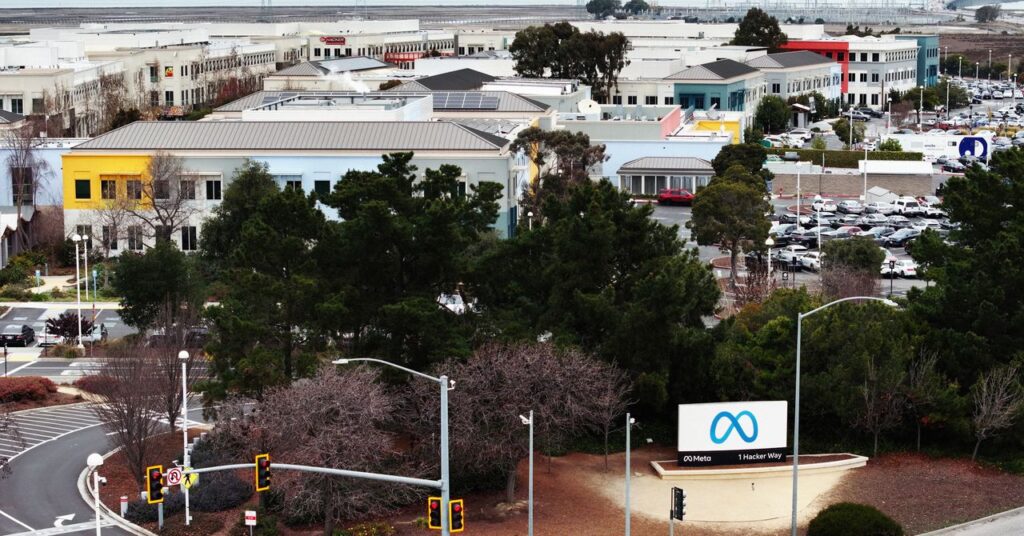
Meta’s choice to monitor employee keystrokes and mouse activity has sparked significant backlash within the organization. “Honestly, I don’t want my screen data collected because it feels like an invasion of my privacy,” an engineer expressed in an internal message viewed by nearly 20,000 colleagues this week. “However, looking at the bigger picture, I don’t want to exist in a world where people—employees or otherwise—are exploited for their training data.”
The note sought to garner support for a petition circulating among employees since last Thursday, calling for an end to what Meta refers to as the Model Capability Initiative. This mandatory software, which Meta began installing on the laptops of US workers last month, captures employees’ screens while using certain applications. Its aim is to collect “real examples of how people actually use” computers, which includes “mouse movements, clicking buttons, and navigating dropdown menus,” as reported by Reuters. Meta has not disclosed whether the initial data collection has been valuable.
“I have mixed feelings about AI. On one hand, I really enjoy utilizing it for software development. On the other hand, I’m quite anxious about its broader implications,” the engineer wrote in a programming forum. “What norms are we setting regarding the use of this technology, and how will it affect our treatment?”
The petition, which WIRED also reviewed, asserts that “it should not be standard practice for any company to exploit its employees by extracting their data without consent for AI training.”
In the United States, employers generally have considerable freedom to monitor employees’ devices for safety, training, evaluation, and security reasons. However, leveraging these tools to assemble datasets designed to teach AI systems how to operate computers without human intervention seems to be a novel approach that many Meta employees find troubling. In recent years, various companies have entered the race to create advanced AI models, but when collecting data, they have mostly relied on volunteers—sometimes compensated—who willingly allow tracking of their computer activities.
Meta’s move to implement its tracking tool in spite of extensive employee protests has become a key factor in what 16 current and former staff members recently described to WIRED as unprecedentedly low morale. It has also fueled a push for unionization among employees at Meta’s UK offices.
“Workplace surveillance and AI training models are the primary concerns,” says Eleanor Payne, a representative of United Tech and Allied Workers, which is assisting in the organization of Meta employees. She refrained from disclosing the exact number of employees pursuing union formation but described it as “significant” and unprecedented.
Though only US employees are currently subject to the monitoring, UK staff members are worried about their colleagues and the potential expansion of the initiative. “To me, this feels like a breakdown of trust,” Payne states. New laws in the UK that have made unionization easier have given employees hope for success, she adds.
Within Meta’s California and New York offices, workers have been displaying flyers in cafeterias and other common areas to direct colleagues to the petition. Two employees, who spoke under condition of anonymity due to their lack of authorization to comment to the media, reported that the company has taken down some posters, although those placed in restrooms seem to remain visible longer.

Rajat Sharma
https://in.linkedin.com/in/rajat-mediaHelping D2C Brands Scale with AI-Powered Marketing & Automation 🚀 | $15M+ in Client Revenue | Meta Ads Expert | D2C Performance Marketing Consultant