AI, Trade Policies, and Rare Minerals: Anticipations for Trump’s Upcoming Meeting with Xi Jinping
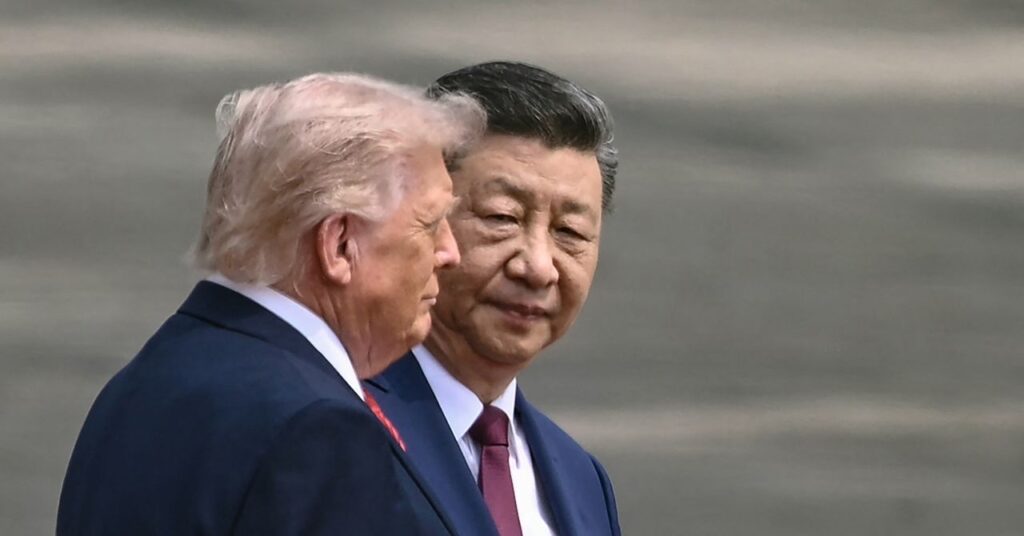
Among all the events occurring in the United Nations General Assembly this week, the most eagerly awaited is the meeting between Donald Trump and Chinese President Xi Jinping.
While most diplomatic activities will be based in New York, this in-person meeting will be held at the White House. Trump is set to greet Xi personally at Joint Base Andrews on Wednesday, September 23—an uncommon diplomatic gesture, as US presidents usually do not meet foreign leaders at the airport.
Prior to that airport reunion, a US delegation led by Treasury Secretary Scott Bessent and Trade Representative Jamieson Greer is coordinating with He Lifeng, China’s Vice Premier of the State Council, to finalize the agenda. The World Economic Forum provided an overview of crucial topics, such as the trade conflict, supply chain issues, technological competition, and the delicate situation surrounding Taiwan—keeping in mind the complexities of the ongoing US engagement in the Middle East.
Trade Truce Approaching Expiration
The trade truce established during the meeting between Trump and Xi in Busan last year is set to expire on November 10. Both governments must now consider whether to extend the agreement, which helped mitigate Trump’s tariff threats and suspended port fees. In addition to discussing this extension, the leaders might establish purchase targets for essential trade items like agricultural products, energy, and Boeing aircraft. They may also revisit negotiations on a package worth about $30 billion for “non-sensitive” goods, which involves around ten categories, though the exact scope remains undecided.
An important aspect of the Busan agreement was the lifting of China’s export limits on rare earths and minerals—critical for sectors like automobiles, defense, and technology, especially for AI hardware. With the US looking for a more reliable supply of these materials, China has leveraged its market dominance to bring Washington back to the negotiating table amid the trade conflict.
Competition in AI
Scott Bessent indicated that AI safety will be a topic of discussion at the bilateral meeting. This issue has been a key request from business leaders, although opinions within the industry are divided regarding the desired outcomes. Beijing is looking for the US to relax some restrictions on Chinese technologies. However, as the demand to slow AI development for safety reasons grows, some US firms worry about being outpaced by China.
This situation remains fluid, as Trump has been dismissive of regulatory calls domestically, and these discussions are closely linked to trade talks over export controls on computer chips and related materials.
Geopolitical Issues: Iran, Taiwan, and More
The trade discussions are fraught with each country’s most sensitive geopolitical positions. China has warned it may withdraw from the summit entirely if the US approves new arms sales to Taiwan. Nonetheless, the nations are anticipated to address China’s economic relations with Iran, as well as the status of detained foreign nationals. Both sides are likely to approach these discussions cautiously, aiming to retain influence without significant concessions.
To sum up, Washington is advocating for increased access to Chinese goods and markets, crucial minerals, and assurances regarding specific security concerns. Conversely, Beijing is seeking relief from tariffs and restrictions. Each party holds its own leverage and various interests on different fronts, such as in Africa and Latin America. Meanwhile, both are striving to prevent tensions regarding Taiwan and other geopolitical disputes from affecting their economic ties.
The summit held in Beijing this past May was rich in symbolic gestures, yet both leaders made limited concessions during negotiations. Will the outcome differ in Washington?
“I believe there will be some tangible results due to the impending presidential summit, but I don’t expect a significant breakthrough,” said Anna Ashton, a China trade analyst and founder of Ashton Intelligence, in an interview with CNBC. “I think the status quo is likely both sides’ best expectation.”

Rajat Sharma
https://in.linkedin.com/in/rajat-mediaHelping D2C Brands Scale with AI-Powered Marketing & Automation 🚀 | $15M+ in Client Revenue | Meta Ads Expert | D2C Performance Marketing Consultant