Amazon May Utilize Your Twitch Content for AI Training Unless You Choose to Opt Out
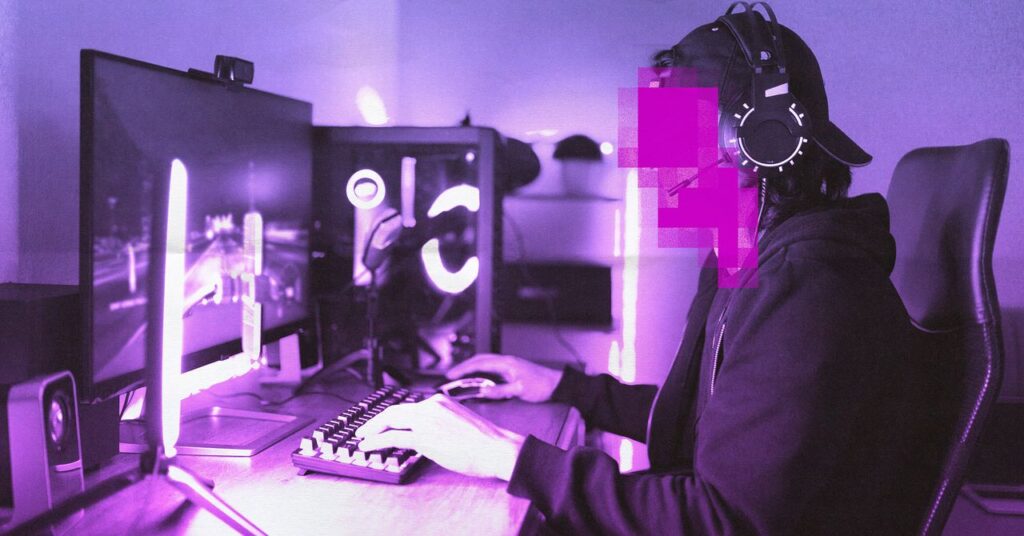
Twitch has made updates to its account settings, allowing streamers to opt-out of having their content utilized for training the artificial intelligence models of its parent company, Amazon.
While this change has offered some reassurance to creators, it remains unclear when the streaming platform actually started using users’ posts, streams, and videos to train Amazon’s systems. This revelation has sparked fresh concerns regarding how large tech corporations manage their users’ data.
The process to opt-out is straightforward. Within the Twitch website or mobile app, simply click on your account avatar, select Settings, and navigate to the Security and Privacy section in the menu. You’ll find the Generative AI Training option there, allowing you to turn off the use of your content for this purpose.
Next to the toggle, Twitch states that “disabling this option does not prevent Twitch and Amazon from using your channel’s content for other purposes outlined in Twitch’s Privacy Notice.” These purposes include AI-driven platform features intended to support streamers’ growth and monetization, such as real-time aid for sponsorships, viewer discovery through recommendations, and community safety tools like AutoMod.
This new setting aims to acknowledge the rights of creators regarding how their produced content is utilized. However, its introduction has also led to questions about the existing usage of that content by Twitch and Amazon.
In a dedicated forum, over 16,000 creators voiced their opposition to their content being used by default to train Amazon’s AI systems—a practice that only became public knowledge after the update to the settings.
The backlash occurred following a livestream where Mary Kish, Twitch’s head of community, discussed the changes. Kish conceded that the adjustment would likely incite negative feedback. Mike Minton, Twitch’s head of product, also indicated—in what he termed “a candid response”—that keeping the content usage for AI training enabled by default was essential, as otherwise “no one would participate” in the process.
Minton emphasized that these practices are not exclusive to Twitch and suggested it’s probable that other companies developing AI systems are extracting content from Twitch and similar services for their models. “I can’t say for certain,” he mentioned, “but it seems reasonable to infer that almost any publicly accessible content ends up being used to train models in various ways, with or without consent. Thus, we must recognize that much of this falls beyond our direct control.”
These comments raised further inquiries: Since when has Twitch content been utilized for AI training? Is Amazon the sole company using this data, or do its business partners also play a role? How thoroughly is the authorship of content produced by creators respected?
Twitch’s Terms of Service, which have been effective since March 2024, state that users grant Twitch and its sublicensees the rights to use, reproduce, modify, adapt, distribute, and create derivative works from their content. However, they have not previously clarified that such materials could be employed for training generative AI models.
The Training Data Problem
This scenario underscores a major challenge faced by AI system developers: the increasing scarcity of high-quality data for training models.
Although organizations like OpenAI have established agreements with various publishers (including WIRED’s parent company, Condé Nast) to utilize some of their content, the availability of data sources is diminishing as technology evolves and the demand for data rises. Consequently, various alternatives are emerging, reigniting discussions about the ethics and transparency surrounding training processes.

Rajat Sharma
https://in.linkedin.com/in/rajat-mediaHelping D2C Brands Scale with AI-Powered Marketing & Automation 🚀 | $15M+ in Client Revenue | Meta Ads Expert | D2C Performance Marketing Consultant
