AI Aids in Untangling the Complex Genetic Riddle of Schizophrenia
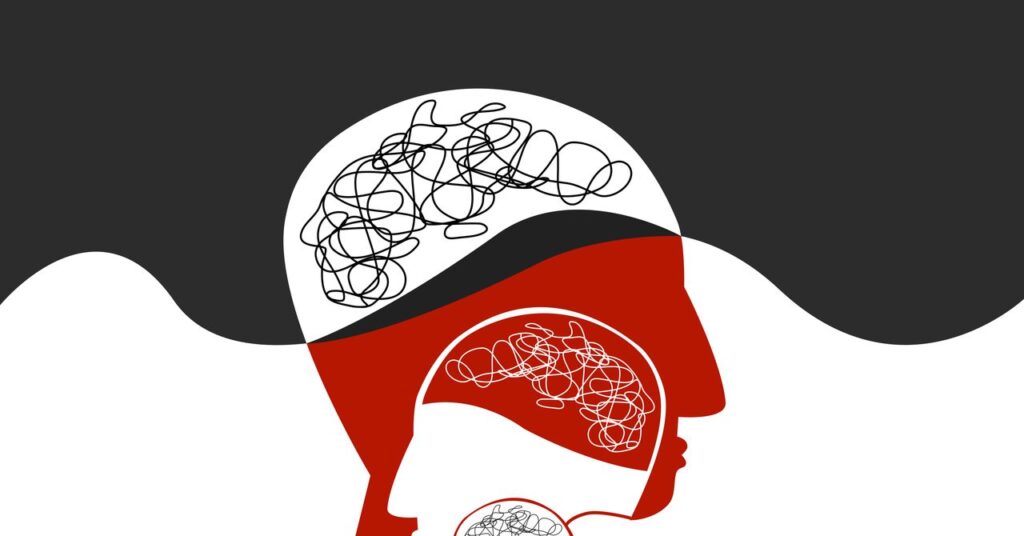
One of the most significant challenges in contemporary genetics is schizophrenia. Unlike disorders that stem from a single genetic mutation, this condition seems to arise from a complex interplay of hundreds of genetic variants, each exerting subtle effects on various brain functions. Some variants affect neural development, while others modify neuron communication or the structure of brain connections. Collectively, these factors increase the likelihood of developing the disorder.
Grasping this intricate genetic landscape requires more than just pinpointing a singular cause. Researchers must also explore how genes interact with one another and whether they establish biological networks that could heighten risk. To address this, they employ AI-driven computational models to map the synchronized activity of thousands of genes in the human brain.
Recently, a study published in Nature Genetics has provided one of the most comprehensive insights to date. The researchers discovered 766 genes linked to schizophrenia, including 641 that had not been identified in earlier transcriptomic studies. Many of these genes were detected due to long-range genetic regulatory signals—supporting the concept that the genes implicated in the disorder operate as an interconnected network rather than functioning in isolation.
The researchers analogize their discovery to illuminating an entire neighborhood. Until now, they could only see a handful of lit homes, but they can now discern a much broader segment of the genetic landscape associated with the disease. Instead of acting independently, the variants seem to work in concert, collectively influencing the risk of developing schizophrenia. With this foundational knowledge unveiled, scientists can investigate the disease’s dynamics and potential treatments more accurately.
The study examined genetic data from over 102,000 individuals, along with brain tissue samples from six different regions sourced from numerous donors. Collaboration included researchers from the Lieber Institute for Brain Development, the University of Bari, and several psychiatric centers across various countries.
According to estimates from the World Health Organization, schizophrenia impacts around 23 million individuals worldwide—roughly one in every 345 people. While experts have long acknowledged the significance of genetics, the intricate biological interactions contributing to the disorder remain poorly understood. A family history raises the risk but does not guarantee development of the condition. Some individuals with relatives who have schizophrenia never experience it, while others may be diagnosed with no familial ties.
The disorder affects one’s grasp of reality, typically surfacing through hallucinations and delusions. It can also result in social withdrawal, diminished motivation, attention deficits, memory issues, and thought disorders. For many researchers, this wide range of symptoms illustrates the complexity of the biological mechanisms at play. There does not seem to be a single gene at fault; rather, it is a vast network of interacting processes.
This story originally appeared on WIRED en Español and has been translated from Spanish.

Rajat Sharma
https://in.linkedin.com/in/rajat-mediaHelping D2C Brands Scale with AI-Powered Marketing & Automation 🚀 | $15M+ in Client Revenue | Meta Ads Expert | D2C Performance Marketing Consultant