The White House is Creating AI Regulations on the Fly.
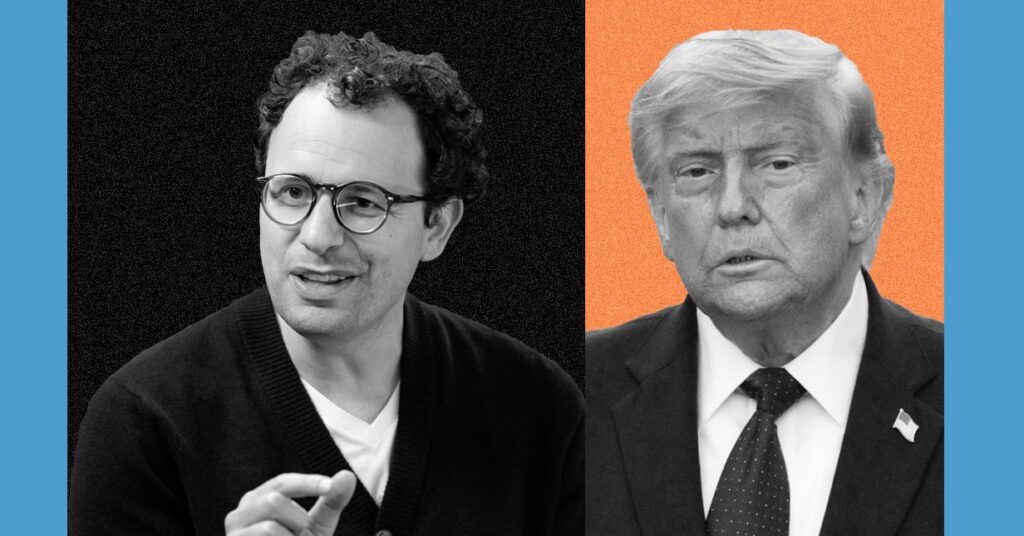
Almost a week has passed since the Trump administration issued an export control directive to Anthropic, compelling one of the top AI labs globally to take its most sophisticated models offline. Despite several days of discussions between Anthropic and the White House, both parties continue to disagree on the reinstatement of Claude Mythos and Fable 5. Why? It varies based on who you ask.
Throughout this entire situation, Anthropic asserts that it did not breach any explicit procedures or regulations established by the Trump administration, according to an insider. Conversely, the White House claims that Anthropic acted irresponsibly, indicating they cannot be trusted to safely deploy cutting-edge technology.
This situation confirms that we have entered the Wild West era of AI regulation in America. Although there are few legislative measures governing advanced AI development, that doesn’t mean companies won’t face challenges with Trump’s White House when they traverse unacknowledged boundaries.
“The issue here is that the White House has adopted a highly anti-regulatory stance, and they are now confronted with the genuine AI capabilities that have been anticipated for years,” remarks a former White House technology official, who requested anonymity to protect professional ties. “There should have been strategies and policies in place to address this systematically, balancing benefits and risks, but instead, it’s just a haphazard approach that places the AI sector in a difficult position.”
The Trump administration has consistently obstructed attempts to implement safeguards within the AI sector, often arguing that regulations could stifle US innovation and cause the nation to lag behind competitors like China. Since taking office again, President Trump has issued executive orders reversing a Biden-era initiative to develop a national AI framework and has established a federal task force to counteract state laws seen as burdensome.
While WIRED and other outlets have detailed the negotiations between Anthropic and the White House over the past week, the disagreement is still characterized by a lack of transparency. At no point has the US government explicitly articulated what Anthropic did wrong—the clearest insight comes from a post on X by White House technology advisor David Sacks outlining the general circumstances.
Ironically, the actions of the White House may have hindered the very innovation it aims to safeguard. The Trump administration required Anthropic to bar all foreign nationals from accessing Mythos and Fable 5, which restricted many of the AI lab’s own personnel from utilizing its most advanced models, models that the company claims have accelerated its research and development in recent months. All of Anthropic’s clients, including Apple, Meta, and numerous Fortune 500 companies, are also left without access.
The White House might have had valid reasons to be apprehensive about Anthropic’s models. As reported by my colleagues and me on Wednesday, US officials became alarmed when they discovered this month that Anthropic shared Mythos with SK Telecom, a South Korean telecom giant alleged to have connections to China. Additionally, Amazon CEO Andy Jassy expressed concerns to US Treasury Secretary Scott Bessent that some safeguards on Claude Fable 5, a secured version of Mythos, could potentially be bypassed.
Even if these concerns are justified, that doesn’t imply the White House effectively managed them. In the first instance, Anthropic claims it collaborated with the US government throughout the rollout of Mythos, suggesting there might have been an opportunity for officials to raise alarms about SK Telecom in advance. Anthropic has maintained a partnership with the Korean company for years without encountering national security issues previously. When the White House did express concerns regarding SK Telecom to Anthropic, access to the model was revoked immediately, as reported.

Rajat Sharma
https://in.linkedin.com/in/rajat-mediaHelping D2C Brands Scale with AI-Powered Marketing & Automation 🚀 | $15M+ in Client Revenue | Meta Ads Expert | D2C Performance Marketing Consultant