Here’s How Trump Ultimately Approved the AI Executive Order
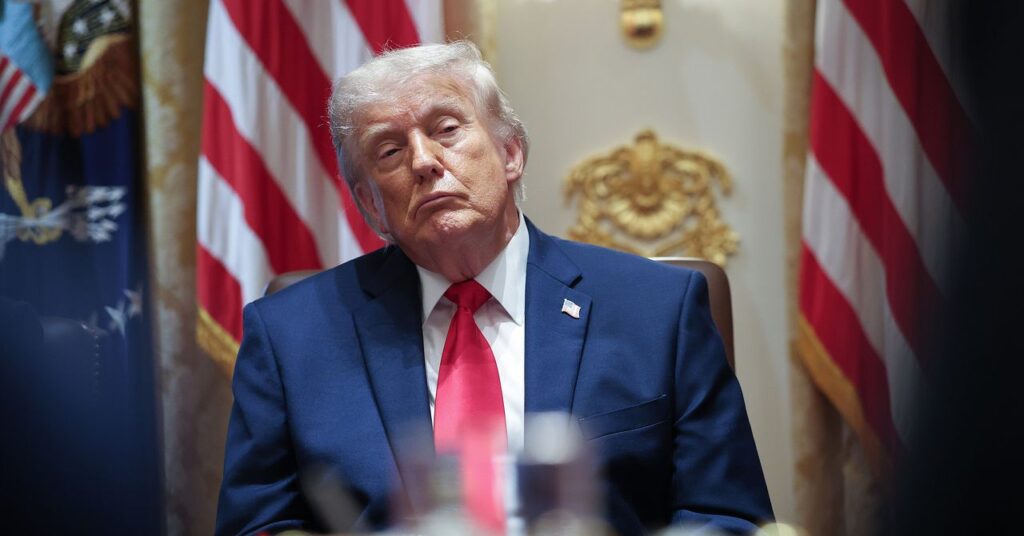
President Donald Trump has enacted a modified version of an executive order regarding AI, which he had set aside less than two weeks earlier, after senior aides convinced him that the administration could not postpone the establishment of a regulatory framework for the technology indefinitely, according to two officials familiar with the situation.
The updated order provides the federal government with access to the latest artificial intelligence models 30 days prior to their public release, a reduction from the previous requirement for 90 days’ advance access from companies.
Apart from shortening the review period, the administration made minimal changes to the original text. Trump approved the revised order on Monday evening following a significant White House meeting. Aides finalized the wording on Tuesday morning, according to the two officials who spoke to WIRED.
This executive order marks the first significant AI regulatory directive of Trump’s second term, reflecting growing concerns within the administration that increasingly powerful systems, including Anthropic’s Claude Mythos and OpenAI’s GPT-5.5, could be misused for cyberattacks on critical infrastructure.
The order does not set formal regulations but establishes a voluntary framework to identify the most powerful AI models, granting the US government exclusive access for 30 days to allow officials time to identify and mitigate potential vulnerabilities before public release.
This decision is also seen as a win for White House chief of staff Susie Wiles, who collaborated with Treasury Secretary Scott Bessent and National Cyber Director Sean Cairncross to reinvigorate the proposal, sources informed WIRED, despite initial pushback from Trump’s former AI czar David Sacks, a prominent critic of government intervention in the sector.
With the order now in effect, Bessent can begin discussions with China to develop a similar cross-border framework for advanced AI systems, according to a knowledgeable source. These discussions had been on hold while the administration worked on its domestic policy, as previously reported by WIRED.
White House spokesperson Liz Huston stated that the executive order embodied Trump’s “commonsense approach of collaborating with industry to balance innovation and security, solidifying America’s ongoing global leadership in AI and cybersecurity.”
Some major AI firms expressed their support for the executive order on Tuesday. “This Executive Order is an important step in strengthening America’s leadership in AI. We look forward to collaborating with the White House to support its implementation,” Anthropic stated in a post on X.
Trump had discarded a previous version of the order on May 21 after AI companies and Sacks cautioned that a 90-day review period would be overly burdensome for a fast-evolving industry, according to individuals familiar with the discussions.
However, executives from several leading AI companies informed the administration that their models were becoming increasingly sophisticated and powerful, indicating that the White House could not indefinitely delay an executive order, the sources noted.
Administration officials continued working over the weekend ahead of a key White House meeting on Monday, they added. Wiles and Bessent were present at the meeting, along with Sacks, who participated remotely.
White House aides engaged in the process advised some AI companies that they anticipated Trump would eventually approve a framework, although a timeline remained uncertain. Ultimately, Trump determined there was sufficient industry support for a 30-day window and granted his approval on Monday night, according to the sources.
The order mandates several federal agencies to develop a classified process to identify which AI models the US government would like access to, as well as select other “trusted partners” who can also gain early access to these advanced models.
In addition to the early-access framework, the order instructs the Pentagon to bolster its classified networks within 30 days and mandates the Justice Department to pursue criminal cases against individuals who exploit AI models for hacking computer systems.

Rajat Sharma
https://in.linkedin.com/in/rajat-mediaHelping D2C Brands Scale with AI-Powered Marketing & Automation 🚀 | $15M+ in Client Revenue | Meta Ads Expert | D2C Performance Marketing Consultant