Gemini Spark: Google’s Answer to OpenClaw’s Around-the-Clock AI Agent
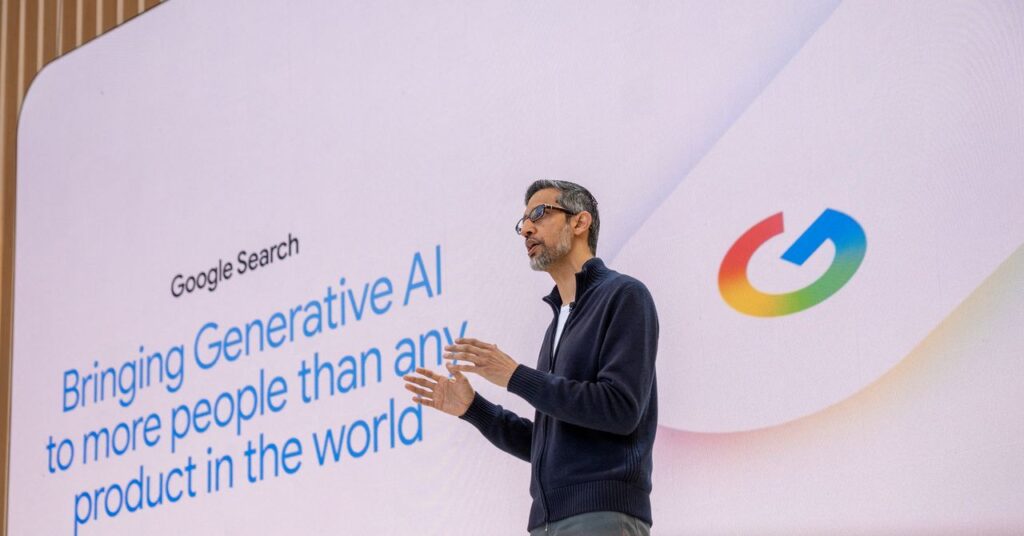
Gemini Spark is Google’s enhanced assistant agent, designed to know everything about you, unveiled during this year’s I/O developer conference as part of the Gemini chatbot app updates.
For some time now, software companies have been hyping AI agents, but I wasn’t convinced until I tested Anthropic’s Claude Cowork in January. Watching the bot automatically arrange scattered screenshots on my desktop into categorized folders without a single click made me believe this could be a pivotal moment in how people interact with their computers.
Numerous early adopters in San Francisco shared similar experiences when they set up the wildly popular OpenClaw bot earlier this year. Not only did they use it for task completion, but it also helped manage their entire online profiles. Power users tried to fully automate their inboxes, calendars, and text messages, even managing a vending machine with varying degrees of success through OpenClaw. However, there are risks involved—you must grant these agents access to your data and computer. In one case, OpenClaw nearly deleted a whole collection of emails for a Meta employee experimenting with it.
From my daily schedule in Google Calendar to date-night reservations confirmed via Gmail, Gemini Spark can delve into my personal information before even connecting to any third-party integration. While the standard Gemini app can handle similar tasks, Spark’s unique feature is its ability to proactively collect information and take action while I’m away, instead of waiting for my prompts.
Google markets Gemini Spark as a comprehensive solution for tasks that people traditionally performed manually or in other applications. The agent can regularly check your credit card statements for unexpected fees—sorry, RocketMoney app, but you’re no longer needed. Spark can be fine-tuned to automatically sift through every email related to your preschooler and summarize important dates in a morning digest report. You can even dump all your meeting notes into Spark and request it to create a Google Doc and generate follow-up emails to the appropriate individuals.
This agent is rolling out gradually, beginning with a select group of early testers this week and launching in beta next week for subscribers of Google’s $100+ monthly AI plan. Being among the first to try Spark does come with a hefty price tag! The company intends to enable Spark to connect with third-party apps like OpenTable and Instacart for further automation in the upcoming weeks. Other anticipated features on the Spark roadmap include allowing the agent to control your local browser and the ability to send commands via text or email.
The option to text commands to your agent will significantly enhance the Spark experience. Instead of navigating the Gemini app and risking distraction, I can spend the day texting Spark my increasingly specific requests, much like assistant Andrea from The Devil Wears Prada.
A key measure of success with this agent will be how often it goes off track. “Spark operates under your direction,” states Google’s announcement blog about the agent. “You determine whether to activate it and which apps it connects to, and it’s designed to consult you first before executing high-stakes actions like making purchases or sending emails.” Anyone testing this tool is assuming the risk of engaging with experimental software reliant on personal data.
Google plans to enhance the agentic shopping feature to let users set spending limits and preferred merchants that Spark must adhere to, emphasizing the need for caution. “We see it as similar to giving a teenager their first debit card,” explains Josh Woodward, vice president of Google Labs and head of the Gemini app.
Similar to the changes Google is making in Search, which introduces task automation without leaving the search environment, Spark represents Google’s opportunity to further embed AI agents into the public consciousness. Time will tell if it has the necessary spark to succeed.

Rajat Sharma
https://in.linkedin.com/in/rajat-mediaHelping D2C Brands Scale with AI-Powered Marketing & Automation 🚀 | $15M+ in Client Revenue | Meta Ads Expert | D2C Performance Marketing Consultant