Schematik: The ‘Hardware Cursor’ and Anthropic’s Interest
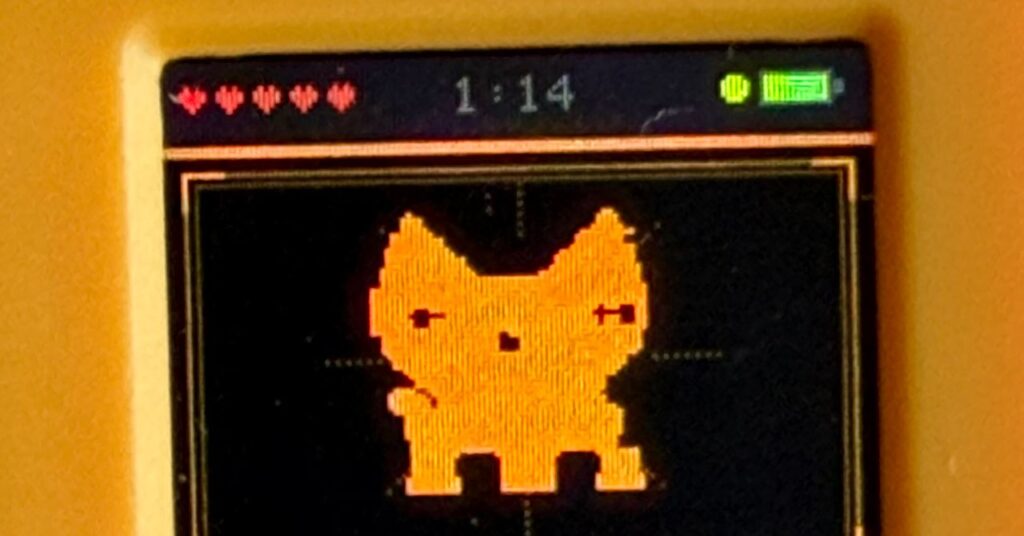
“Your creativity has no barriers now,” states Vermeeren, who is also investing in Schematik. “This is why I’m thrilled about it and constantly creating new projects.”
He’s not alone. On Thursday, Anthropic engineer Felix Rieseberg announced on X that Anthropic has introduced “a compact Bluetooth API for creators and developers, enabling you to design hardware devices that communicate with Claude.” He also shared a photo and a GitHub link for a device resembling Vermeeren’s Clawy, though Rieseberg and Anthropic did not respond to WIRED’s inquiry about whether it was inspired by Beek’s or Vermeeren’s designs.
“If I’ve inspired someone, I’m honored,” Vermeeren remarks. “If Anthropic created an official feature due to it, I’m even more honored.”
It seems nearly every AI tech company is venturing into hardware, whether it’s giants like OpenAI or smaller firms specializing in niche wearables. Additionally, there’s always a vibrant community of tinkerers and makers eager to innovate, from turning vapes into synthesizers to pushing back against ICE.
“The main challenge with hardware is the gatekeeping, making it accessible to only a select few,” Beek comments. “I genuinely hope my tool can empower more individuals to create, whether that’s through using the tool or learning to build hardware with it.”

Vibe coding in software has its own negative connotations, as it can result in significant software vulnerabilities. There’s a chance that vibe coding in hardware could reach a similar point or devolve into a series of endless hardware issues.
“With languages or images, LLMs are much more subjective about what’s correct,” Beek explains. “The advantage of electronics is that it’s grounded in pure physics, making verification possible.”

Rajat Sharma
https://in.linkedin.com/in/rajat-mediaHelping D2C Brands Scale with AI-Powered Marketing & Automation 🚀 | $15M+ in Client Revenue | Meta Ads Expert | D2C Performance Marketing Consultant