This AI Wearable Designed by Former Apple Engineers Resembles an iPod Shuffle
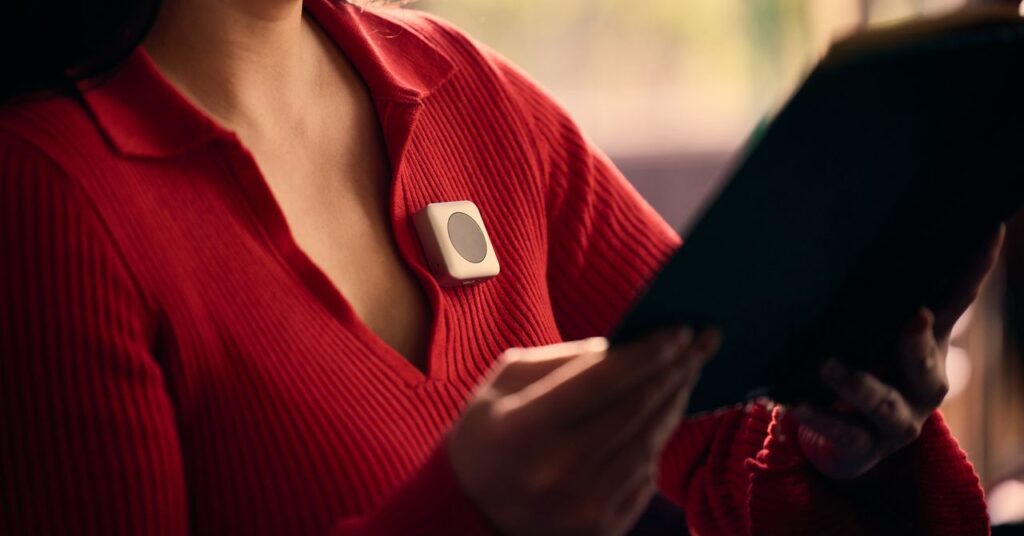
Another key aim of the Button is to provide quick response times. In contrast to the Humane Ai pin, which faced significant backlash for its slow reply rates, the Button is engineered for nearly immediate feedback. During a demo on a Zoom call, I observed Nolet ask the Button for the top sandwich shops in my area. Although the Button didn’t select my favorite sandwich shop, it did manage to respond to all inquiries in less than a second. It can also be promptly interrupted by pressing the button, making it a fantastic feature for those like me who appreciate swift silence from chatbots.
Nolet stands firm in embracing the distinct Apple ethos that’s apparent in the product’s design.
“The Humane pin felt somewhat geeky to wear, right?” Nolet states. “But the iPod shuffle? Super cool. That’s where the concept originated, and we infused our Apple-inspired expertise into it, refining it into something we believe is genuinely useful.”
Most of their product visuals and clips feature the Button as a wearable device, yet Nolet assures that it can also be stored in a pocket, bag, or car glove compartment.
“My cofounder insists we can’t claim it looks cool; that’s a decision for the users,” Nolet mentions. “We aim to create something that is somewhat stylish, but it’s ultimately up to you all to define its coolness.”
While Apple has long been at the forefront of tech innovation, it has faced challenges in virtual reality, particularly with its costly, cumbersome Vision Pro and its complicated launch. Apple isn’t alone in this regard. Meta is currently reworking its VR strategies. Nolet suggests that part of the turmoil stems from the necessity of developing both hardware and the supporting software ecosystems concurrently.
“We lacked a software innovation to ground ourselves in as an industry, so I think it’s quite a difficult pitch,” Nolet adds. “It’s far easier to build on the insights of those who came before us.”

Courtesy of Button

Rajat Sharma
https://in.linkedin.com/in/rajat-mediaHelping D2C Brands Scale with AI-Powered Marketing & Automation 🚀 | $15M+ in Client Revenue | Meta Ads Expert | D2C Performance Marketing Consultant