Nvidia Aims to Introduce an Open-Source AI Agent Framework
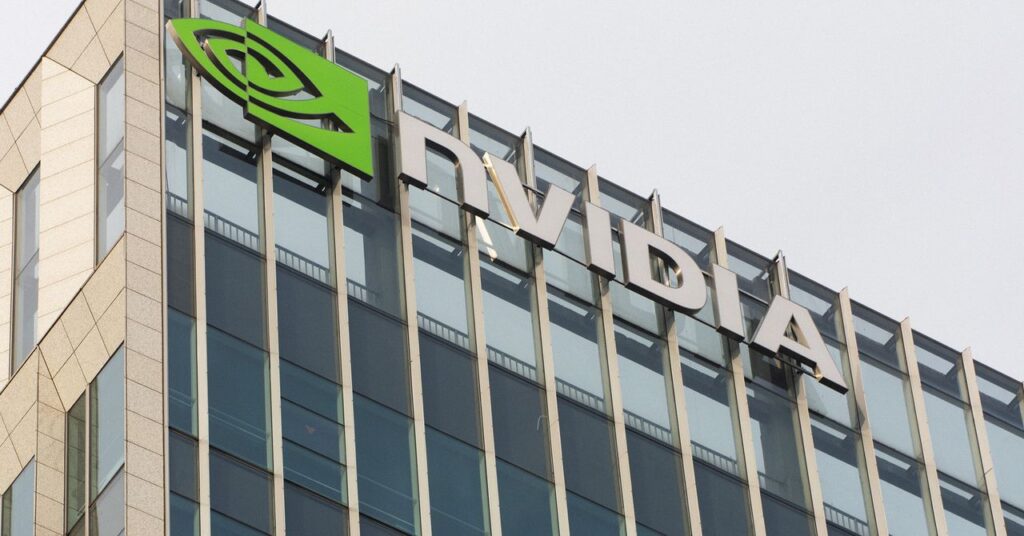
Nvidia has plans to introduce an open-source platform aimed at AI agents, according to sources familiar with the company’s intentions shared with WIRED.
The chip manufacturer has been presenting the product, named NemoClaw, to enterprise software firms. This platform will enable these companies to deploy AI agents to handle tasks for their teams. Sources indicate that the platform will be accessible to companies regardless of whether they utilize Nvidia’s chips.
This initiative comes as Nvidia gears up for its annual developer conference in San Jose next week. In anticipation of the event, Nvidia has contacted companies such as Salesforce, Cisco, Google, Adobe, and CrowdStrike to establish partnerships for the agent platform. It remains uncertain if these discussions have led to formal partnerships. Given the platform’s open-source nature, it is likely that partners may gain free, early access in return for contributing to the initiative, according to insider reports. Nvidia intends to provide security and privacy solutions alongside this new open-source agent platform.
Nvidia did not respond to a request for comment. Representatives from Cisco, Google, Adobe, and CrowdStrike also declined to comment. Salesforce did not issue a statement before publication.
Nvidia’s focus on agents aligns with the growing popularity of “claws,” which are open-source AI tools that operate locally on users’ machines to carry out sequential tasks. Claws are often characterized as self-learning, meaning they are expected to improve autonomously over time. Earlier this year, an AI agent called OpenClaw—which evolved from its initial names Clawdbot and then Moltbot—captivated Silicon Valley due to its ability to run independently on personal computers and fulfill work tasks for users. OpenAI ultimately acquired the project and hired its developer.
While OpenAI and Anthropic have made notable strides in enhancing model reliability, their chatbots still necessitate significant user guidance. Purpose-built AI agents or claws, conversely, are crafted to perform multiple tasks with less human oversight.
The implementation of claws in enterprise settings is a contentious topic. WIRED previously revealed that certain tech companies, including Meta, have instructed employees to avoid using OpenClaw on work computers because of the agents’ unpredictability and potential security threats. Last month, a Meta employee overseeing safety and alignment within the company’s AI lab publicly recounted her experience with an AI agent that malfunctioned on her device, leading to the mass deletion of her emails.
For Nvidia, NemoClaw seems to be a strategy to attract enterprise software companies by providing enhanced security for AI agents. This move also represents an additional phase in the company’s commitment to open-source AI models, part of a broader approach to retain its leadership in AI infrastructure amid custom chip development by prominent AI labs. Nvidia’s software framework has previously leaned heavily on its CUDA platform, a well-known proprietary system that confines developers to creating software for Nvidia’s GPUs, establishing a significant barrier for competitors.
Last month, The Wall Street Journal reported that Nvidia also aims to unveil a new chip system designed for inference computing at its developer conference. This system will feature a chip developed by startup Groq, with which Nvidia entered into a multibillion-dollar licensing agreement late last year.
Paresh Dave and Maxwell Zeff contributed to this report.

Rajat Sharma
https://in.linkedin.com/in/rajat-mediaHelping D2C Brands Scale with AI-Powered Marketing & Automation 🚀 | $15M+ in Client Revenue | Meta Ads Expert | D2C Performance Marketing Consultant