Micron Megafab Initiative Encounters New Challenge as Activists Push for a Benefits Agreement
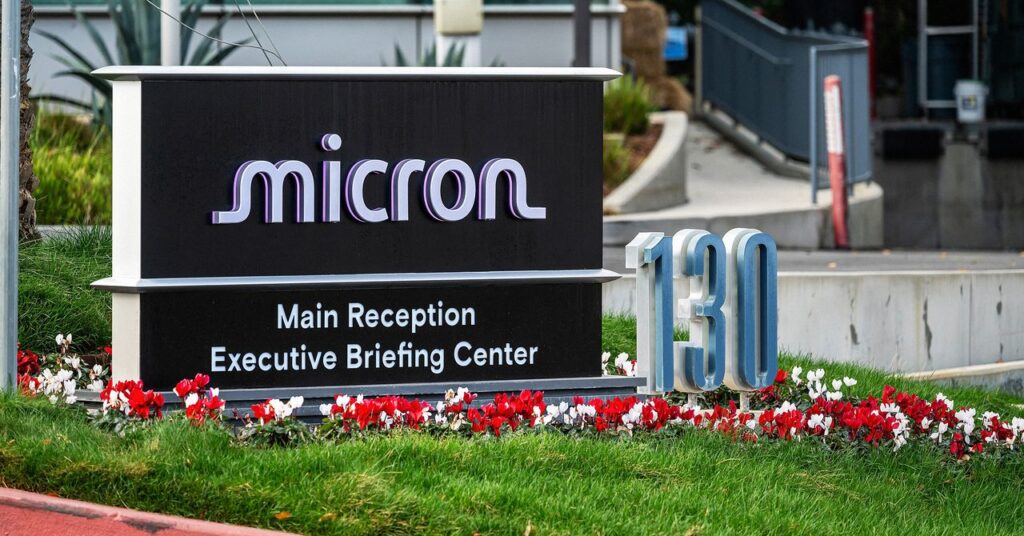
Just days after Micron commenced construction on a $100 billion chip manufacturing facility in New York, a coalition of environmentalists, labor unions, and civil rights organizations is urging the tech giant to sign an agreement that would make its commitments to being a good neighbor legally binding.
Micron’s megafactory designed for memory chip production is set to become the largest commercial development in the state’s history and the biggest chipmaking complex nationwide. Officials held a groundbreaking ceremony in Clay, near Syracuse, last Friday. The initial chips could be produced in five years, but the entire site won’t be completed for 20 years.
Members of the Central New York United for Community Benefits Coalition—comprising around 25 mostly local advocacy groups—tell WIRED they are supportive of the project. They acknowledge Micron’s commitment to local hiring and addressing certain physical and social impacts of construction. However, coalition members feel that oversight is insufficient and worry that Micron might be able to pollute the environment and exacerbate economic inequality in the area.
“We want concrete, robust, transparent, and enforceable commitments,” states Anna Smith, a senior researcher at Jobs to Move America, a union-supportive national nonprofit assisting in organizing the coalition.
On Wednesday, the coalition sent a letter via email to Micron CEO Sanjay Mehrotra, inviting him to engage in negotiations over a community benefits agreement, which would formalize the company’s promises regarding hiring practices, environmental stewardship, and community investment.
Micron has not yet responded to requests for comments regarding the letter.
While companies like Micron are not required to sign agreements with community groups, the New York coalition is drawing inspiration from similar initiatives across the U.S. Some organizations have successfully pressured large construction projects, such as airports and bus factories, to commit to investing in schools, developing affordable housing, conducting more environmental assessments, or sourcing locally. Importantly, these agreements can be enforced through legal channels.
Advocates for these agreements argue that establishing deals can help companies mitigate opposition and facilitate smoother construction, hiring, and integration within the community. Provisions may include oversight committees and annual public reporting. A dataset assembled by Columbia Law School indicates numerous benefits agreements for significant projects over the past decade.
“We have witnessed agreements negotiated by companies with coalitions like ours across the nation resulting in win-win scenarios, where employers, workers, and community organizations collaboratively ensure that everyone’s needs are met,” the New York coalition expressed in its letter to Micron.
They emphasized that a comprehensive agreement would “further fulfill Micron’s commitments to being a good neighbor” and guarantee that good faith promises “transform into tangible, measurable benefits.”
Increasing chip production in the U.S. is crucial for national security, and the Micron project has garnered bipartisan support. However, it is occurring during a period of intense public scrutiny focused on the significant water and energy consumption of massive fabs and data centers.
In light of this pushback, some projects have already been halted or moved. Organizers within the New York coalition believe that the Micron effort could serve as a framework for securing concessions even as development continues. “This project can be executed responsibly,” Smith remarks. “Let’s reach the finish line together.”
Requesting Commitment
Coalition members include environmental advocates like the Sierra Club Atlantic Chapter and SustainCNY; racial justice organizations such as the Urban Jobs Task Force and the Syracuse chapter of NAACP; and labor unions, including Local 320 of the IUE-CWA, which represents factory workers.
They have focused their attention on Micron in part due to the public subsidies that the project stands to receive—potentially up to $25 billion. The company’s promise to create 9,000 jobs has fostered support, yet some community members remain apprehensive about the potential downsides. One area of concern has been the local authorities’ decision to displace a 91-year-old great-grandmother from her home of 60 years to facilitate Micron’s development.

Rajat Sharma
https://in.linkedin.com/in/rajat-mediaHelping D2C Brands Scale with AI-Powered Marketing & Automation 🚀 | $15M+ in Client Revenue | Meta Ads Expert | D2C Performance Marketing Consultant