Meta Is Cautioned That Facial Recognition Glasses Could Empower Sexual Predators
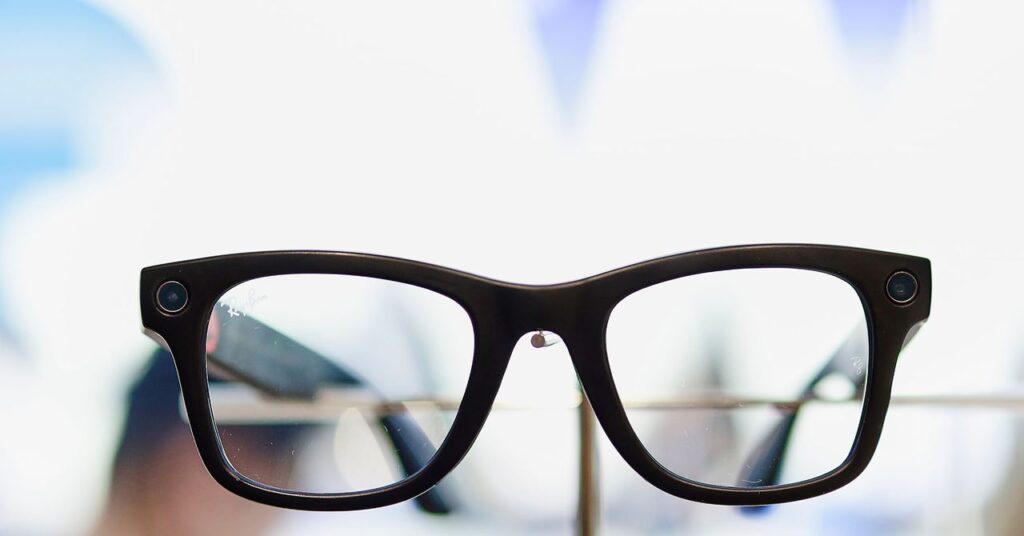
Over 70 organizations focused on civil liberties, domestic violence, reproductive rights, LGBTQ+ issues, labor, and immigrant advocacy are urging Meta to abandon its plans to implement face recognition technology in Ray-Ban and Oakley smart glasses. They caution that this feature—internally referred to as “Name Tag”—would enable stalkers, abusers, and federal agents to identify strangers in public spaces without their consent.
This coalition includes groups such as the ACLU, the Electronic Privacy Information Center, Fight for the Future, Access Now, and the Leadership Conference on Civil and Human Rights. They are pressing Meta to abandon the feature prior to its launch, after internal documents suggested the company planned to exploit the current “dynamic political environment” as a cover for the rollout, anticipating that civil society groups would have their efforts “diverted to other issues.”
As reported by The New York Times in February, Name Tag would utilize the AI assistant integrated into Meta’s smart glasses, allowing users to access information about individuals within their line of sight. Reports indicate that engineers are considering two versions of this feature: one that identifies only those people the user is already connected to on a Meta platform, and a more expansive version that could recognize anyone with a public account on services such as Instagram.
The coalition is calling for the complete cancellation of this feature. In a letter addressed to CEO Mark Zuckerberg, they assert that face recognition embedded in inconspicuous consumer eyewear “cannot be amended through design alterations, opt-out options, or incremental precautions.” They argue that individuals in public settings cannot genuinely consent to their identification.
Meta is also being urged to reveal any known cases of its devices being misused in stalking, harassment, or domestic violence situations; to disclose any discussions with federal law enforcement agencies—including Immigration and Customs Enforcement and Customs and Border Protection—regarding the use of Meta’s devices or data derived from them; and to ensure that civil society and independent privacy experts are consulted before biometric identification is integrated into any consumer product.
“Individuals should be able to navigate their daily lives without the anxiety of stalkers, scammers, abusers, or representatives from any political faction quietly and invisibly checking their identities and potentially linking those identities to a vast amount of available data regarding their habits, relationships, health, and behaviors,” states the coalition, which also comprises Common Cause, Jane Doe Inc., UltraViolet, the National Organization for Women, the New York State Coalition Against Domestic Violence, the Library Freedom Project, and Old Dykes Against Billionaire Tech Bros, among others.
Meta has not yet responded to WIRED’s request for commentary.
EssilorLuxottica, the Italian-French eyewear company owning Ray-Ban and Oakley, and manufacturing the smart glasses in collaboration with Meta, has also not issued a comment in response to inquiries.
In a memo obtained by the Times from May 2025, Meta reportedly indicated an intention to launch “in a dynamic political climate where many civil society organizations that we expect to critique us would have their resources focused on other priorities.”
The coalition characterizes this tactic as “vile behavior” and accuses Meta of exploiting “increasing authoritarianism” and the Trump administration’s “disregard for the rule of law.”
The Electronic Privacy Information Center (EPIC) has sent its own letters to the Federal Trade Commission (FTC) and state regulators in February, urging them to investigate and halt the Name Tag rollout. The group cautioned that real-time face recognition would exacerbate what it termed the “already serious and seemingly unlawful” privacy risks associated with the current Ray-Ban Meta glasses, which can discreetly record bystanders, with only a small light offering minimal indication of recording. EPIC noted that individuals could be identified at protests, religious gatherings, support groups, and medical facilities, “eradicating the notion of privacy or anonymity in public arenas.”

Rajat Sharma
https://in.linkedin.com/in/rajat-mediaHelping D2C Brands Scale with AI-Powered Marketing & Automation 🚀 | $15M+ in Client Revenue | Meta Ads Expert | D2C Performance Marketing Consultant