Researchers Harness AI to Develop 16 Novel Viruses
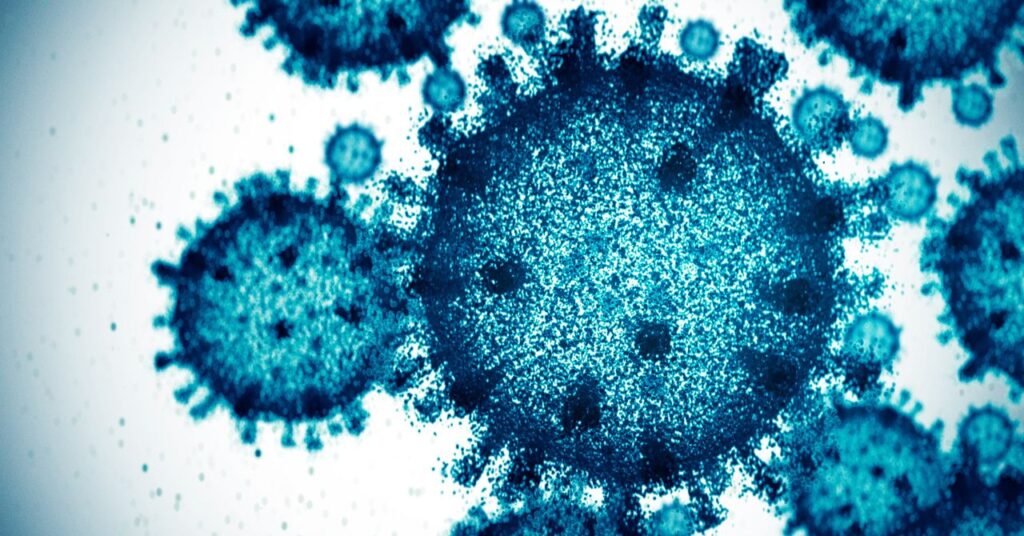
For the inaugural time, a system of artificial intelligence has generated a series of novel viruses that can infect and neutralize specific types of bacteria. This advancement paves the way for new strategies to tackle bacterial resistance. Nevertheless, it also raises alarm about the potential for this technology to be misused in creating biological weapons.
For several years, researchers have been capable of synthesizing viruses from the ground up; these are typically employed for the development and testing of antiviral medications and vaccines, as well as to enhance our understanding of the behavior of these microorganisms. However, the generation of these viral genomes has mainly depended on duplicating previously known pathogens or their variants.
In contrast, a recent study by scientists from Stanford University and the Arc Institute managed to have an AI construct simple, functional, and previously unseen viruses by utilizing data drawn from the genetic sequences of millions of animals, plants, microbes, bacteria, and viruses present in nature.
The researchers focused on bacteriophages—microorganisms known for their relatively small genomes, which are easier to synthesize and manipulate under controlled conditions. These viruses specifically infect bacteria, positioning them as a powerful biotechnological tool and a promising alternative to antibiotics in fighting resistant bacterial infections.
The development of these entirely new viruses was based on Evo 1 and Evo 2, foundational AI models tailored for computational biology applications. Both algorithms were trained on millions of genomes across all life domains, aiming to uncover complex evolutionary patterns, including the typical organization of genes and conserved sequences, as well as the biological limits that an organism needs to maintain functionality.
The experimental framework used the bacteriophage Phi X-174—which can infect the bacterium Escherichia coli (E. coli)—as a benchmark. The objective was not to replicate this virus, but rather to utilize it as a reference for the algorithms to create thousands of completely new genomes with a genetic structure suitable for targeting E. coli.
In essence, the viruses arising from the genomes generated by the AI preserved the functional organization necessary for identifying the bacterium, inserting their DNA, replicating it, producing new viral particles, and assembling them accurately. However, the actual DNA sequences were notably different from those seen in naturally occurring bacteriophages.
16 New Viruses Developed Through AI
The researchers then assessed the AI-generated genomes to select those deemed most likely to be functional, considering factors such as gene organization, the existence of regulatory elements, and other criteria informed by the biology of the Phi X-174 bacteriophage.
This selection resulted in a subset of 300 genomes, which were synthesized in the lab, molecule by molecule. They were subsequently introduced into E. coli bacteria to evaluate their capability to produce functional viruses.
Out of the 300 synthesized genomes, only 16 resulted in fully functional bacteriophages, exhibiting previously unpublished sequences, novel genes, new regulatory elements, and differing genome sizes. The behaviors of these viruses varied: while some infected the bacteria more rapidly, others displayed different replication qualities.
The research, published this week in the journal Science, also examined the efficacy of AI-generated bacteriophages against resistant bacteria. The experiment involved exposing a mix of AI-designed phages and natural phages similar to Phi X-174 to strains of E. coli that had developed resistance to the virus.
The findings indicated that the AI-generated viruses could swiftly surmount bacterial resistance and establish infection. According to the authors, this discovery illustrates “a potential pathway toward artificial intelligence–generated phage therapies against rapidly evolving bacterial pathogens.”
The Dual Aspects of the Milestone
This finding opens up new avenues for addressing the escalating issue of bacterial resistance. Researchers believe this method could lead to the creation of personalized treatments that evolve nearly as quickly as the pathogens themselves.
While this milestone signifies a considerable leap forward for molecular biomedicine, it also raises serious issues regarding the potential malevolent use of this technology to craft, for instance, new diseases, highly toxic substances, or pathogens that could instigate a new pandemic.

Rajat Sharma
https://in.linkedin.com/in/rajat-mediaHelping D2C Brands Scale with AI-Powered Marketing & Automation 🚀 | $15M+ in Client Revenue | Meta Ads Expert | D2C Performance Marketing Consultant