Meta’s CTO Andrew Bosworth Acknowledges the AI Restructuring Was ‘Terrible’
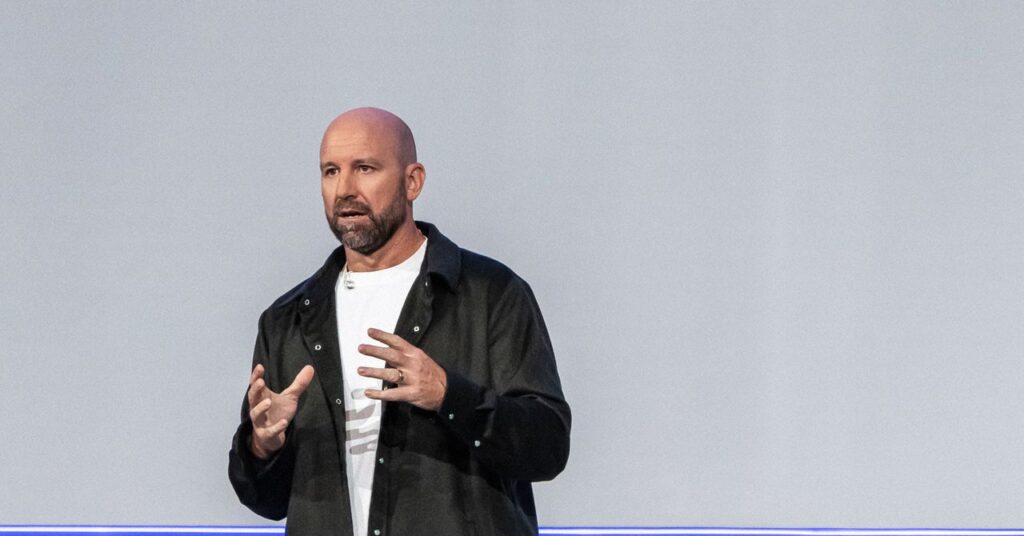
Meta has apparently performed an “atrocious” job in launching its new artificial intelligence division and is aiming to “rekindle” a more positive internal culture through enhanced communication, career development, and even snacks, a senior executive informed employees on Monday in an internal post reviewed by WIRED.
The remarks from Andrew Bosworth, Meta’s chief technology officer, come after WIRED reported last week on widespread discontent within the Applied AI engineering unit. Established in March, this division comprises around 6,500 engineers and product managers focused on enhancing the company’s generative AI models. However, employees described the work as menial, with one calling it “a gulag.”
Bosworth pointed to recent employee feedback as a core factor in the upcoming changes he announced. “We’ve undermined the trust you have that your specific expertise and contribution will be valued, that you will grow and advance your career, and that this will be a place where you can truly make an impact,” Bosworth stated. “We disrupted the management structure that was providing you stability while rapid strategic shifts, including the boom/bust hiring cycle, left entire teams feeling abandoned.”
Meta chose not to comment on this story.
The turmoil within the AI team reflects a broader decline in employee morale at Meta following mass layoffs, worker surveillance, and other concerns. Recently, several executives, including CEO Mark Zuckerberg, have shared internal messages recognizing employees’ sentiments and pledging to implement changes in response.
In the detailed memo, Bosworth, long regarded as a Zuckerberg loyalist, emphasized that employees would receive more individualized attention moving forward. Meta intends to limit managers to approximately 20 direct reports each, he wrote, and will work to minimize the frequency of employees changing managers during restructurings. Managers will primarily focus on management duties, with employees also gaining access to “AI coaching” tools if they choose to utilize them.
In response to a comment on his memo regarding the Applied AI team, Bosworth acknowledged that he and fellow executives had lost sight of employees’ perspectives while rushing to address broader strategic concerns, such as better competing in the market for AI coding tools. “We clearly did an atrocious job of conveying the vision, providing people with a clear understanding of how we would support them and their careers during this transition, and illustrating how things would evolve over time,” he wrote.
Nonetheless, Bosworth also indicated that assigning people to the AI team for the sake of speed was the correct decision, reminding employees that they might need to engage in projects that they “don’t find as personally fulfilling for a while” since “there will be instances when the work requires sacrifices.”
In a separate post from late last Friday, which was also seen by WIRED, Maher Saba, a vice president overseeing the Applied AI team, informed employees who were coerced into joining that they would now have the option to pursue other roles within Meta if they manage to secure them. “We believed it was necessary to leverage what Meta offers that those other [AI] labs do not: our scale and our people’s expertise,” Saba explained regarding the decision to draft individuals onto his team. However, “moving forward, we are returning to business as usual and giving people the freedom to apply for roles that interest them,” Saba concluded.

Rajat Sharma
https://in.linkedin.com/in/rajat-mediaHelping D2C Brands Scale with AI-Powered Marketing & Automation 🚀 | $15M+ in Client Revenue | Meta Ads Expert | D2C Performance Marketing Consultant