How Turkey Revolutionized the Hair Transplant Sector
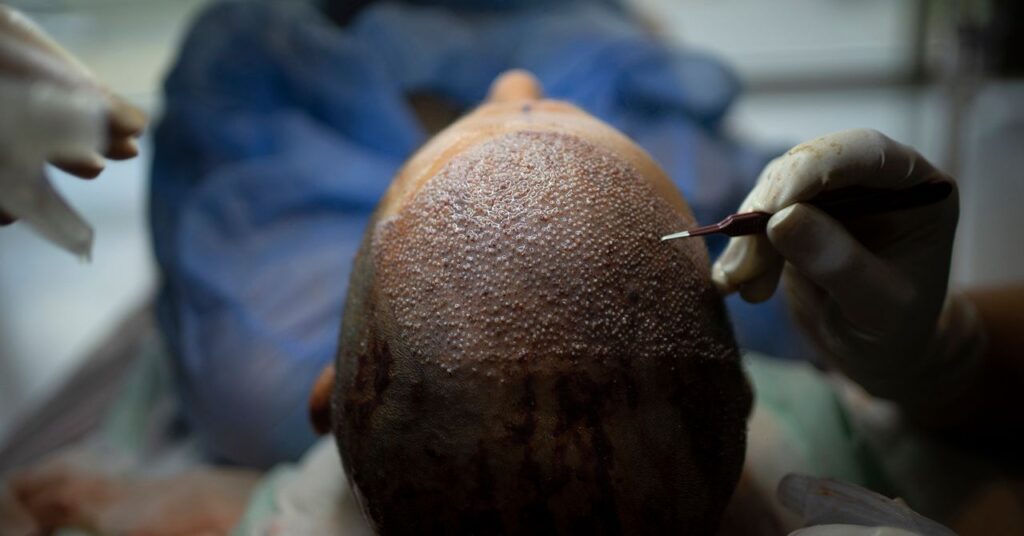
The remarkable expansion of Turkey’s hair-transplant sector is more than just a tale of medical tourism; it’s also a story of “hacked” medical technology and algorithmic expertise.
From a biological and evolutionary standpoint, human hair may seem like an ordinary accumulation of keratin, yet it serves important functions—shielding our scalps from harmful ultraviolet rays and helping regulate body temperature—though it has become less critical for survival.
However, since ancient times, our subconscious indicators of health, youth, or fertility have relied heavily on visual elements such as skin quality, tooth condition, and hair volume. At its core, hair has evolved into a strong symbol of identity and self-esteem. It plays a crucial role in social interactions and perceptions.
Currently, the global hair-transplant and restoration sector, which capitalizes on these psychological and evolutionary needs, has blossomed into a colossal, multibillion-dollar market. Research firms estimate that the global hair-transplant industry will be valued between $7.33 billion and $11.61 billion by 2024, excluding the underground economy. According to the Ministry of Health, 1.39 million individuals sought medical treatments in Turkey in 2025, generating about $3 billion in revenue from medical tourism (similar to 2024). While specific numbers on hair transplant patients are unavailable, it’s believed that approximately one-third of these visitors sought aesthetic procedures.
The significance of hair transplantation in promoting Turkey is also notable. For instance, Turkish Airlines is humorously dubbed “Turkish Hair Lines” or simply “Turkish Hair,” highlighting the importance of hair transplants in the country’s tourism. (Istanbul Airport has also earned the playful nickname “Istanbul Hairport.”)
This phenomenon is evident in various facets of popular culture. Recently, a social media post proclaimed, “There won’t be a single bald Spaniard left in the world,” featuring an image of well-known soccer player Andrés Iniesta with long hair, in reaction to Spanish Prime Minister Pedro Sánchez’s stance on the war in Iran, which Turkey supports. The post gained traction and was reported on Spanish news outlets. Similarly, American basketball legend Shaquille O’Neal’s humorous line in Turkcell’s 5G advertisements—“I’m here for a hair transplant,” while donning a long curly wig and clips from Turkey’s seven regions—continues to be a hot topic.
Turkey’s international triumph in hair transplantation and its influential position stem from more than just cost-effective labor, affordable prices, and favorable exchange rates. It is a product of a daring, sometimes chaotic yet innovative progression, encompassing everything from adapting motors originally designed for dental devices and sapphire blades for eye surgery to embracing Anatolia’s ancient craft traditions and the master-apprentice dynamic within microsurgical methods.
Grooming for the Contemporary Gentleman
The institutional framework necessary to accommodate this booming demand in Turkey began to take shape in the late 1990s. During an era when Turkey’s celebrities were heading to Europe for cosmetic procedures, Dr. Mustafa Tuncer, who attended the Medica trade show in Düsseldorf in 1999, embraced a revolutionary vision. Tuncer founded the Esteworld plastic and aesthetic surgery clinics, declaring, “If Turkey’s stars are going to Europe for cosmetic surgery, I will establish the best hospital, employ the finest doctors, and attract Europeans to Turkey.” This marked the dawn of Health Tourism 1.0, featuring fully equipped facilities that integrated plastic surgery and hair transplantation, while elevating standards to unprecedented levels.
As the medical director of the Esteworld Health Group and part of the second generation to carry this vision, Dr. Burak Tuncer emphasizes that this innovative journey is grounded in a philosophy rich with psychological and medical significance—viewing hair restoration as more than just a cosmetic treatment. “Hair is a tissue that cannot be replaced or cloned,” he remarks, adding, “If hair roots suffer damage during the transplant—whether during extraction or implantation—we lose that unique tissue permanently. Therefore, we regard each hair strand with the same value and care as we would a kidney or a heart.”

Rajat Sharma
https://in.linkedin.com/in/rajat-mediaHelping D2C Brands Scale with AI-Powered Marketing & Automation 🚀 | $15M+ in Client Revenue | Meta Ads Expert | D2C Performance Marketing Consultant