Reasons Behind the Vatican’s Invitation to Anthropic for the Pope’s AI Encyclical Unveiling
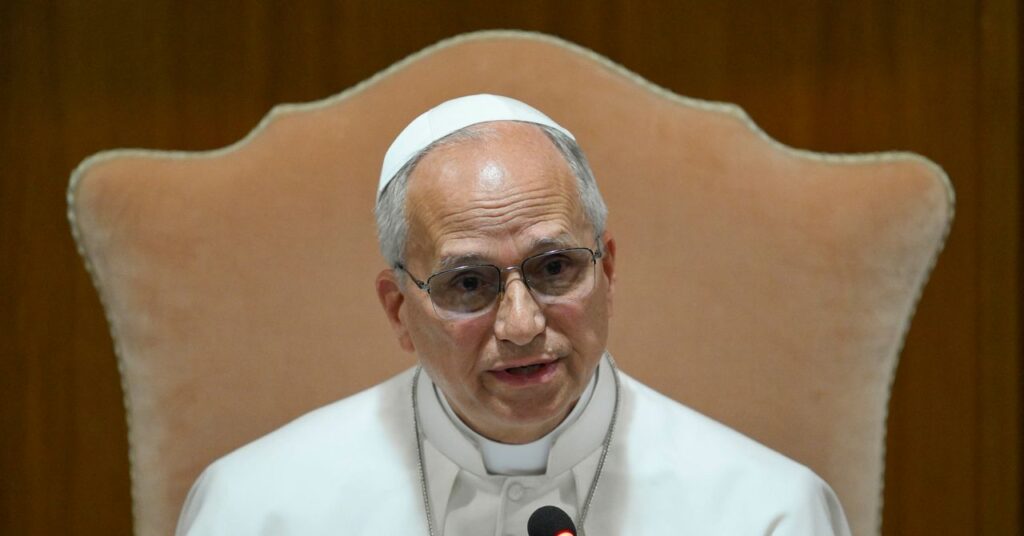
When Pope Leo XIV delivered his initial encyclical on artificial intelligence at the Vatican on Monday, he invited Christopher Olah, the cofounder of Anthropic, to speak. This decision marked a groundbreaking collaboration between the Catholic Church and Silicon Valley. To grasp how this partnership formed, we must revisit the inception of Anthropic.
Why Anthropic?
Founded in 2021, Anthropic emerged when a cadre of OpenAI researchers, including Dario and Daniela Amodei, departed to establish a competing lab. Their mission was clear: the evolution of artificial intelligence models was becoming too formidable to be left solely to the whims of competition and speed.
Since that time, Anthropic has cultivated a reputation centered on the notion of AI safety. The objective is not just to create powerful models but also to ensure they are manageable and informed by ethical standards. This concept gave rise to Constitutional AI: training systems guided by a constitution of principles and rules, rather than merely correcting hazardous responses after the fact.

Pope Leo XIV attends the presentation of his first Encyclical Letter, Magnifica Humanitas, focused on the rise of artificial intelligence, in the Vatican on May 25, 2026.Photograph: Alberto Pizzoli/Getty Images
How the Convergence With the Vatican Began
Olah’s attendance at the Vatican was clearly intentional and not a mere last-minute gesture. It resulted from a thoughtful, long-term initiative in which the Vatican has increasingly aimed to shift from being a passive observer of technology to becoming an active participant in the AI sector.
The Vatican’s significant move began in 2020 with the Rome Call for AI Ethics, an initiative led by the Pontifical Academy for Life in collaboration with Microsoft, IBM, and various international organizations. The goal was to create a shared ethical framework for AI development, emphasizing transparency, inclusivity, and accountability.
Initially, the Vatican focused primarily on bioethical and moral queries. However, as time progressed, the landscape shifted dramatically. The emergence of ChatGPT, the technological competition between the U.S. and China, and the increasing influence of Big Tech led the Holy See to recognize that the challenges at hand involved not just ethical tech considerations but the broader future of humanity.
In this context, Anthropic has become perceived by the Vatican as an especially valuable partner. Unlike many other tech companies that prioritize innovation and expansion, Anthropic has embedded AI safety into its foundational principles.
Recently, the Vatican has closely monitored a specific aspect of the tech debate: the alignment of AI models.
Olah’s Role
This is where Christopher Olah enters the picture. Differing from the Amodei siblings, who are more frequently in the spotlight, Olah embodies the theoretical and philosophical dimensions of AI research. He is renowned globally as an expert in model interpretability, focusing on unraveling the complexities within advanced neural networks.

On his personal website, Christopher Olah describes his work as an endeavor to “transform neural networks into algorithms understandable to human beings.” It’s challenging to envision a figure more aligned with the essence of Pope Leo XIV’s encyclical, which emphasizes the hazards of devising technologies that risk becoming too powerful to comprehend, regulate, or manage.
Reportedly, interactions between members close to the Holy See and Anthropic have intensified during global discussions on AI safety. The Vatican identified Anthropic as a company willing to publicly recognize that the challenges posed by artificial intelligence cannot be addressed solely by the tech industry.

Rajat Sharma
https://in.linkedin.com/in/rajat-mediaHelping D2C Brands Scale with AI-Powered Marketing & Automation 🚀 | $15M+ in Client Revenue | Meta Ads Expert | D2C Performance Marketing Consultant