Ilya Sutskever Defends His Involvement in Sam Altman’s Dismissal from OpenAI: ‘I Aimed to Protect It’
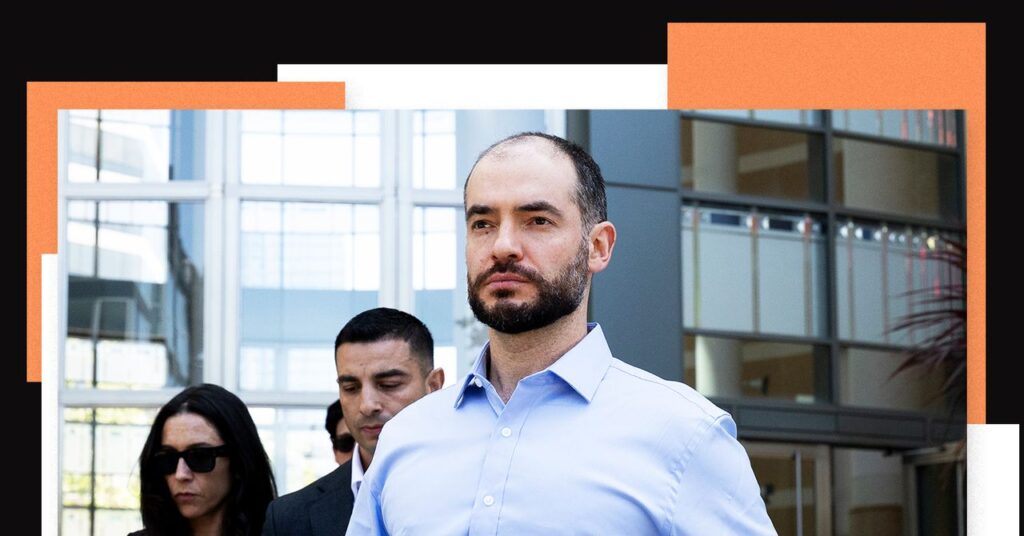
Elon Musk’s trial against OpenAI and Microsoft has reached its concluding phase, with testimonies from Microsoft CEO Satya Nadella, former OpenAI chief scientist Ilya Sutskever, and current OpenAI chairman Bret Taylor taking center stage.
Sutskever was a focal point, disclosing his ownership in OpenAI’s $850-billion for-profit segment, which is now valued at approximately $7 billion, making him one of the largest known individual stakeholders in the organization. Earlier in the proceedings, OpenAI president Greg Brockman admitted for the first time to holding around $30 billion in OpenAI shares.
Brockman, an original cofounder of the research lab, noted that Sutskever joined shortly after, having turned down a $6 million annual offer from Google. He mentioned that he and Sutskever were closely aligned until Sutskever facilitated Sam Altman’s brief dismissal as OpenAI CEO in 2023. Sutskever gathered evidence to highlight Altman’s alleged past deceit and assisted in drafting a memo for the board. Despite attempts to mend their relationship, Sutskever has remained distanced from both Brockman and Altman since, as stated by an OpenAI lawyer on Monday.
Arriving in the courtroom dressed in a shirt and slacks, breaking the trend as the first male witness without a suit jacket, Sutskever seemed disheartened about his disassociation with OpenAI, having left to start a rival AI lab in 2024. “I felt a great deal of ownership of OpenAI,” he remarked on Monday. “I invested my life into it, cared deeply for it, and couldn’t bear to see it destroyed.”
Sutskever’s testimony reinforced Musk’s assertion that Altman is not suitable to lead a lab capable of developing artificial general intelligence. Moreover, he talked about the superalignment team he guided, which prioritized the safety of future models, describing its work as crucial for OpenAI’s long-term objectives. This team was dissolved in May 2024, shortly after Sutskever’s departure.
Nevertheless, Sutskever contributed to OpenAI’s defense, stating that Musk never negotiated any special guarantees when financing the OpenAI nonprofit. Musk’s claim that such commitments existed, implying that Altman and Brockman violated them by pursuing a profit-driven model, is central to his lawsuit. Sutskever indicated that OpenAI required “a lot of dollars” to create a computer comparable to the human brain, and while fundraising had seen some success, embracing the for-profit model was the agreed way forward.
“I would compare it to the difference between an ant and a cat,” Sutskever responded to US District Judge Yvonne Gonzalez Rogers when asked how increased computing capability advanced OpenAI. “Without funding, there’s no substantial computer.”
Ultimately, Sutskever, a notable AI scientist who engages in painting as a hobby, testified for about an hour, maintaining minimal eye contact with anyone in the courtroom.
Musk’s legal team aimed to treat Sutskever as a hostile witness due to his financial interests in OpenAI, but Gonzalez Rogers allowed both Musk’s and OpenAI’s lawyers more flexibility in questioning Sutskever, citing his “unique position” in the case.
The Blip
A significant portion of Monday’s testimony revolved around the widely reported details of Altman’s firing and subsequent reinstatement as CEO in November 2023. Nadella characterized the board’s decision to dismiss Altman as “amateur city” and confirmed that he never received clarity on the lack of transparency behind their decision. He also admitted to discussions with colleagues about 14 prospective board members to join OpenAI upon Altman’s return, including at least two who were vetoed by Microsoft’s team, with one eventually coming on board. Nadella presented Microsoft’s input as merely suggestions.
Sutskever expressed his support for Altman’s ouster, asserting that an “environment where executives lack accurate information” is not conducive for achieving significant goals. However, he criticized his fellow board members for hastiness, lack of experience, and for taking “poor legal advice.”
Microsoft’s Bet
In his lawsuit, Musk accused Microsoft of aiding in the conversion of OpenAI into a profit-driven venture far beyond his initial intentions. Nadella testified that Microsoft first backed OpenAI with discounted cloud services but could no longer sustain this “once the bill began increasing.” A for-profit structure that Microsoft could invest in for potential financial gains was seen as more acceptable.
As the years went by and expenses continued to escalate, Microsoft sought greater returns from the partnership. “Microsoft will lose 4 bil next year!!!” Nadella wrote in a 2022 email to his team regarding the OpenAI collaboration. He called for a new agreement that would guarantee Microsoft also received AI “know-how” from the startup, which he consistently referred to as “Open AI.”

Rajat Sharma
https://in.linkedin.com/in/rajat-mediaHelping D2C Brands Scale with AI-Powered Marketing & Automation 🚀 | $15M+ in Client Revenue | Meta Ads Expert | D2C Performance Marketing Consultant