Harnessing AI to Tackle Antibiotic Resistance
Antibiotic resistance is rapidly emerging as a pressing public health challenge, resulting in over a million fatalities worldwide each year and contributing to nearly 5 million additional deaths. These resistant infections are not only harder to treat but also significantly more costly, leading to longer hospital stays that increase financial burdens on both healthcare systems and patients.
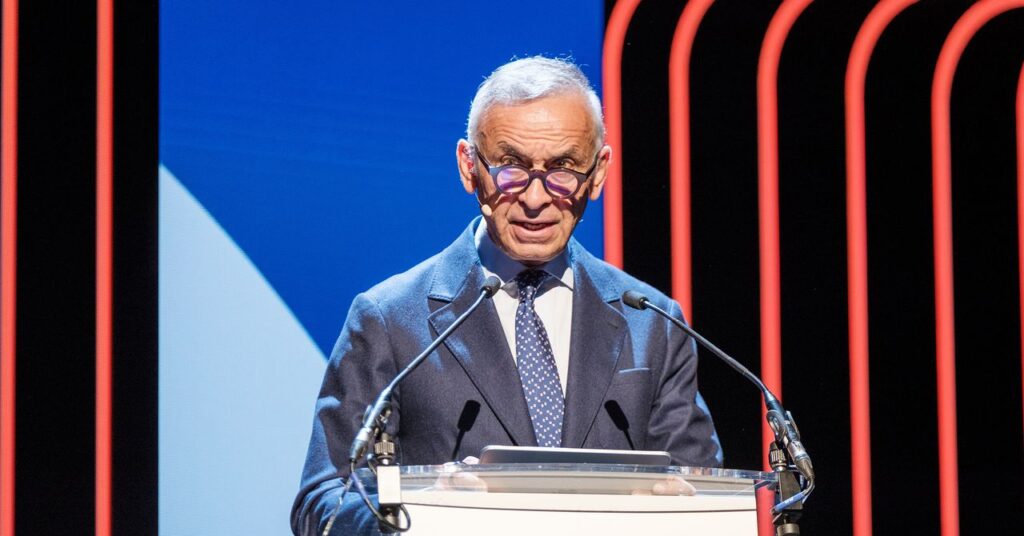
Currently, treatment largely relies on the physician’s best guesses. According to Ara Darzi, a surgeon and head of the Institute of Global Health Innovation at Imperial College London, AI-driven diagnostics present a promising alternative.
“As we stand in 2026, we are witnessing the first real inflection point in this crisis,” Darzi remarked on April 16 at WIRED Health in London.
The escalating issue of antibiotic resistance is driven by the overprescription and improper use of antibiotics, combined with inadequate new drug development. When bacteria encounter sub-lethal antibiotic levels, they can develop survival strategies. Unnecessary antibiotic prescriptions allow these microbes to build immunity, leading to a reduction in effective treatment options for severe infections.
The situation is projected to worsen. A report in The Lancet from 2024 forecasts that drug-resistant infections could claim 40 million lives by 2050.
Conventional diagnostic methods for identifying antibiotic-resistant infections typically take two to three days, relying on culturing bacteria from samples. This time frame can be critical for patients with conditions like sepsis; for every hour of delayed treatment, the chance of death rises by 4 to 9 percent. While test results are pending, doctors must make educated guesses about antibiotic therapies.
AI-based diagnostics could aid in these crucial decisions. “AI-driven diagnostics are achieving over 99 percent accuracy without needing extra laboratory infrastructure,” Darzi explained.
Such rapid diagnostic solutions are particularly essential in rural and underserved regions, he noted. The World Health Organization estimates that antibiotic resistance is at its highest in Southeast Asia and the Eastern Mediterranean, where one in three reported infections were resistant in 2023. In Africa, one in five infections showed resistance.
AI also has the potential to facilitate the discovery of new treatments for resistant infections and to forecast the spread of resistant bacteria. The UK’s National Health Service is collaborating with Google DeepMind to create an AI system aimed at tackling antibiotic resistance. In a recent instance, this system uncovered previously unrecognized resistance mechanisms in just 48 hours—solving a riddle that had taken researchers at Imperial College London ten years to unravel.
With an automated lab setup, Darzi pointed out that it’s now feasible to conduct hundreds of simultaneous experiments continuously. Deep learning algorithms can assess billions of molecular structures in days, while generative AI is being utilized to design entirely new compounds.
However, major pharmaceutical companies have turned away from antibiotic development due to a flawed economic framework. New antibiotics would need to be reserved to avoid fostering resistance, yet pharmaceutical companies profit from high-volume sales, creating little motivation for them to remain engaged in this area.
Darzi emphasized the need for innovative payment models to stimulate the creation of new antibiotics. In 2024, the UK initiated a pilot program resembling a Netflix-style payment model, wherein the government pays a set annual subscription fee to a pharmaceutical company for access to new antibiotics, rather than compensating based on the quantity dispensed. Sweden is also testing a partially disassociated model.
“The fundamental question that will shape the future of medicine over the next century is not whether we have the capabilities to respond; we do. The real question is whether we possess the integrity to seriously address the challenges we face,” he concluded.

Rajat Sharma
https://in.linkedin.com/in/rajat-mediaHelping D2C Brands Scale with AI-Powered Marketing & Automation 🚀 | $15M+ in Client Revenue | Meta Ads Expert | D2C Performance Marketing Consultant