Weekly Gear Update: Apple’s AI-Enhanced Wearable and a Multi-OS Smartphone Capable of Running Android, Linux, and Windows
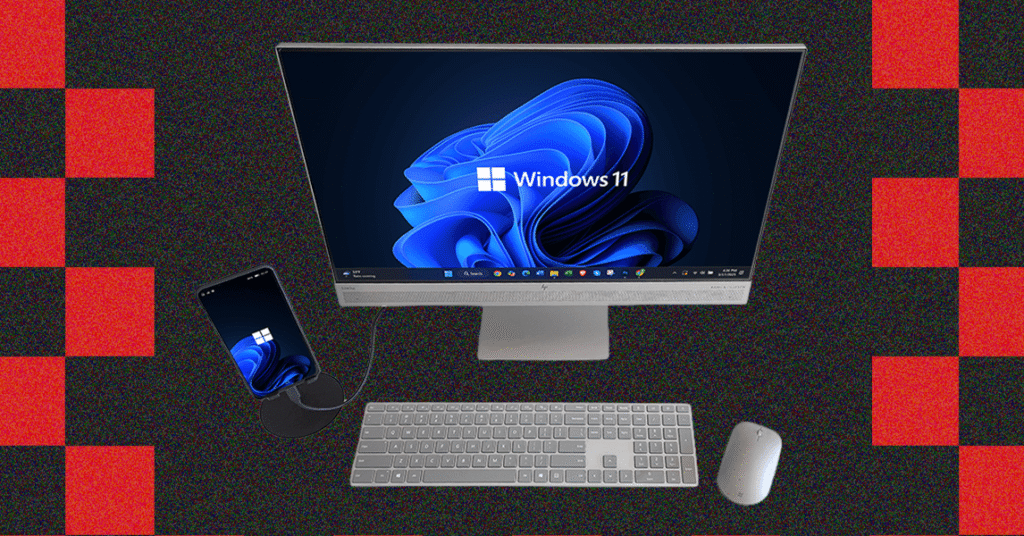
The NexPhone is a durable device featuring a Qualcomm QCM64490 processor, boasting a long support timeline projected until 2036. It comes equipped with 12 GB of RAM, 256 GB of storage, and a 6.58-inch display with a 120-Hz refresh rate. The phone includes a 64-MP camera, supports wireless charging, and offers 5G connectivity. While it may not rival the latest Samsung or iPhone models in terms of hardware, it uniquely allows users to boot three different operating systems. Nex Computers anticipates that those reluctant to part with their flagship devices might find this as a valuable secondary or backup phone for work purposes.
Priced at $549, it can be reserved now with a $199 refundable deposit. A complimentary USB-C hub is included, and the company plans to begin shipping in the third quarter of 2026.
Sony Partners With TCL on Its TV Business

Courtesy of Best Buy
Sony’s television lineup may soon be closely associated with TCL. This week, Sony and the Chinese electronics leader revealed a memorandum to form a strategic partnership that would grant TCL a 51 percent majority stake in Sony’s home entertainment division. If approved by regulators, this deal will encompass Sony’s premium Bravia TV brand and other home entertainment offerings, enabling TCL to oversee aspects like product development, design, manufacturing, sales, and logistics.
This remarkable, if understandable, decision from Sony, known for its innovation in the TV industry, reflects the changing landscape of television over the last decade. TCL, alongside its rival Hisense, has swiftly ascended from disruptor to market leader in the mid-tier TV segment and is now a significant global contender in TV panel manufacturing and technology, as well as a top seller in the U.S. market.
“The new company aims to enhance its business by utilizing Sony’s high-quality picture and audio technologies developed over the years,” said Sony in a statement to WIRED. “We view both companies as nearly equal partners,” Sony added, with the goal of “developing innovative products that satisfy global customer expectations and pursuing further growth through operational excellence.” Assuming there are no setbacks in execution or regulation, the new joint venture is anticipated to be operational by April 2027. —Ryan Waniata
Asus Exits the Phone Market
Asus has manufactured smartphones for two decades, but it appears the company’s notable mobile journey may be concluding. In a recent interview, Asus chairman Jonney Shih announced that the company will suspend its smartphone division to reallocate resources toward PCs and AI-driven products such as smart glasses and robotics.
Shih confirmed that support for existing devices will continue, but no new mobile launches are scheduled for 2026. Referring to this as a “temporary” pause allows for a future return to the smartphone market; however, given the lackluster sales of the ZenFone and ROG gaming smartphones, this could very well be a permanent exit, paralleling LG’s departure in 2021.

Rajat Sharma
https://in.linkedin.com/in/rajat-mediaHelping D2C Brands Scale with AI-Powered Marketing & Automation 🚀 | $15M+ in Client Revenue | Meta Ads Expert | D2C Performance Marketing Consultant