Illinois Legislators Have Enacted the Nation’s Most Robust AI Safety Legislation
The Illinois House of Representatives approved a bill on Wednesday mandating that frontier AI laboratories such as OpenAI, Anthropic, and Google DeepMind undergo third-party audits of their safety practices. If enacted, AI safety experts inform WIRED that this could become the nation’s foremost regulatory measure over the influence of major AI firms.
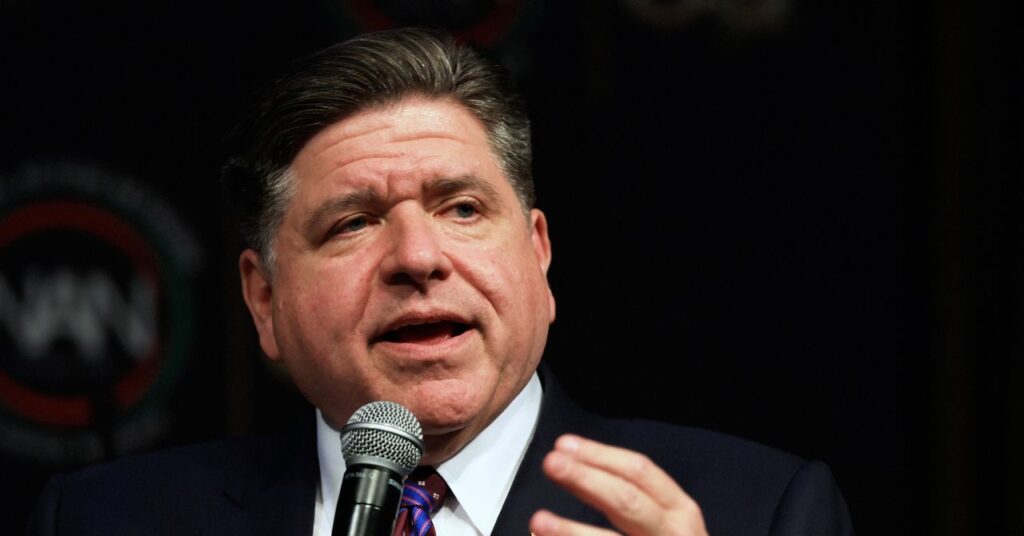
The bill, SB 315, is now on Governor JB Pritzker’s desk. In a social media update on Wednesday, Pritzker expressed his intention to sign the bill, emphasizing the need for accountability among Big Tech companies.
With Congress yet to enact significant AI safety laws, state legislators have actively pursued bills that signal to their constituents that they are monitoring Silicon Valley. As AI technologies gain traction and the companies behind them race toward large IPOs, polls indicate that American voters are advocating for stricter oversight of AI.
Consequently, safety advocates and tech firms have concentrated their efforts in state legislatures, viewing them as key venues for determining the structure of future regulations. OpenAI’s head of global affairs, Chris Lehane, mentioned to WIRED last week that the company’s AI policy is now focused on achieving similar state legislation.
California and New York currently have the most robust AI safety regulations, necessitating that tech firms disclose information about model safeguards and report safety incidents as they occur. Illinois’ legislation takes an additional step by mandating independent audits to ensure that an AI lab complies with its own safety protocols. Previously, there was no requirement for an external body to hold an AI lab responsible for its safety assertions.
“We’re in a situation where the AI companies grade their own homework,” states Scott Wisor, policy director at Secure AI Project, a nonprofit that advocated for SB 315. “Should SB 315 become law, Illinois would require an independent auditor to verify whether the AI labs truly adhere to their safety commitments.”
Wisor anticipates that, under SB 315, AI labs could enlist the Big Four accounting firms—Deloitte, EY, KPMG, and PwC—to audit their safety practices. Additionally, he notes that AI labs could engage members of the AI Evaluator Forum— a coalition of smaller research groups such as METR, Transluce, and AVERI—to evaluate compliance with safety standards.
Illinois state representative Daniel Didech, one of the sponsors of SB 315, tells WIRED that state legislatures play a crucial role in shaping the nation’s AI policy and serve as a testing ground for potential future federal laws. “Laws like this foster an environment where it’s more plausible for the federal government to enact similar measures,” Didech explains.
Corporate Interests
Illinois has become a vital battleground in the ongoing discourse over state AI regulations. OpenAI previously endorsed a bill in Illinois that would allow AI labs to evade liability if their models caused significant harm. However, Lehane has since clarified that the company’s overall support for the bill was a mistake and that it never backed the liability exemption. More recently, OpenAI has supported SB 315.
“The Illinois General Assembly has demonstrated genuine bipartisan leadership in advancing SB 315 and crafting a considered framework for frontier AI safety. As AI systems become increasingly advanced, clear expectations regarding safety, transparency, incident reporting, and accountability are essential,” states Lehane in a message to WIRED.

Rajat Sharma
https://in.linkedin.com/in/rajat-mediaHelping D2C Brands Scale with AI-Powered Marketing & Automation 🚀 | $15M+ in Client Revenue | Meta Ads Expert | D2C Performance Marketing Consultant