There’s a Growing Fatty Liver Crisis: How AI Might Help Tackle It
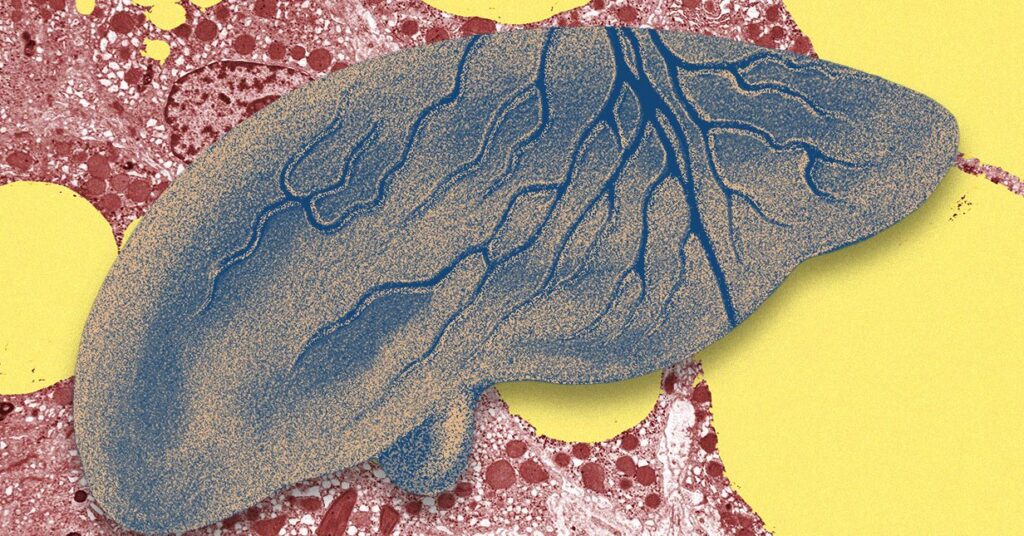
A gradual, subtle shift is occurring globally in the liver health of over a billion individuals.
While a healthy liver contains negligible fat, many adults and even children exhibit fat levels exceeding 5 percent, or even 10 percent, of the liver’s overall weight. This abnormal fat presence leads to inflammation, cellular damage, and fibrosis—signs of fatty liver disease, which currently affects around 30 percent of adults globally.
If not addressed, progressive fat buildup can result in liver failure and is associated with heightened risks of cardiovascular disease and various cancers. The condition often develops without obvious symptoms, making early detection rare. Even in cases of cirrhosis or significant liver scarring, three-quarters of cases are diagnosed only after they become life-threatening.
Consequently, an increasing number of specialists are exploring how AI may assist in this area. Jeffrey Lazarus, a professor at the CUNY Graduate School of Public Health and Health Policy, points out that AI tools could analyze extensive electronic health records to identify individuals most at risk for excessive liver fat accumulation.
“AI can retrospectively sift through vast quantities of hospital visits and lab reports,” Lazarus explains. “This enables prioritization of those at greatest risk.”
Early identification of fatty liver disease can lead to the reversal of much damage. Initial interventions like reducing alcohol consumption, losing weight through better diet and exercise, and even increasing coffee intake have shown promise in reversing scarring and inflammation. Furthermore, innovative treatments such as the GLP-1 medication semaglutide and the drug resmetirom have proven to be highly effective for those with moderate to advanced liver scarring.
“The liver is a highly adaptable and fascinating organ because it can regenerate; fibrosis can be reversed, resulting in complete health restoration,” states Lazarus. “However, our focus has often been on late-stage care, emphasizing how long we can keep a patient alive rather than early detection to prevent disease progression.”
One of the frustrations for Lazarus and others is that although simple, non-invasive methods for assessing liver health exist, they are seldom utilized, especially in individuals at increased risk of fatty liver disease, such as those with obesity and type 2 diabetes.
For instance, the Fib-4 index evaluates the risk of advanced liver fibrosis by calculating a score from 0 to 6 based on age, two liver enzyme levels, and blood-clotting ability. This requires a liver blood test, often part of an annual medical exam in the US. Physicians also have access to a more precise secondary blood test, known as the enhanced liver fibrosis test, which evaluates the levels of proteins involved in scar tissue formation and an enzyme that hinders the clearance of liver scars.
Utilizing both tests in patients with concerning liver fat levels has been shown to quadruple the diagnosis accuracy for advanced fibrosis. Yet, with rising workloads and administrative duties, simply adding more tests to the existing workflow is not considered a feasible solution for physicians.
“You need a system that operates in the background; otherwise, it’s easy to just press a button and move on,” notes Jonathan Dranoff, a professor of medicine at Yale University.

Rajat Sharma
https://in.linkedin.com/in/rajat-mediaHelping D2C Brands Scale with AI-Powered Marketing & Automation 🚀 | $15M+ in Client Revenue | Meta Ads Expert | D2C Performance Marketing Consultant