A Fresh Interactive Gallery Could Transform Your Perspective on AI Art
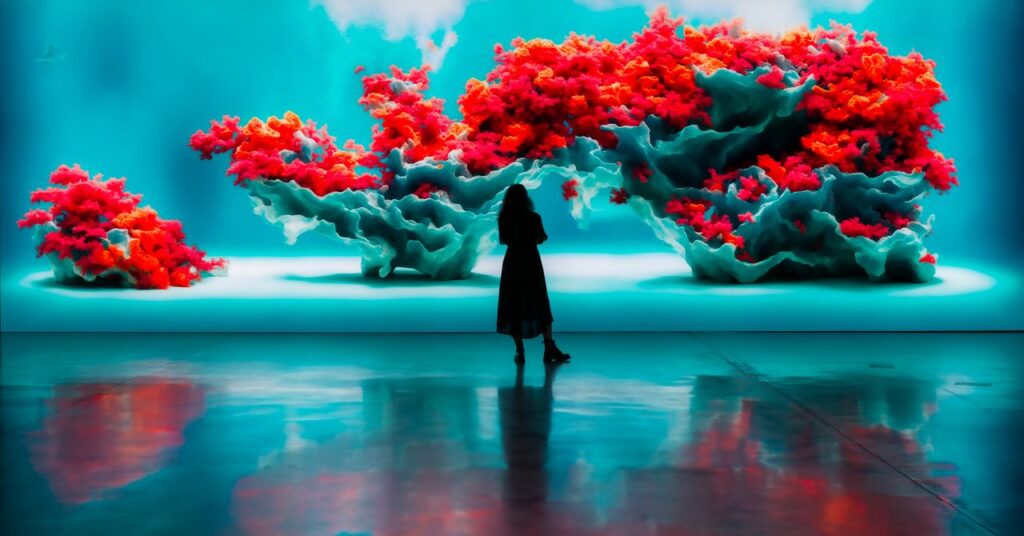
“I think we are undoubtedly experiencing a renaissance,” comments artist Refik Anadol, embodying his characteristically optimistic perspective, when asked about the current moment in art history, marked by the rise of artificial intelligence as both a medium and a point of contention. “We just don’t have a name for it yet.”
Anadol, recognized for his technologically driven installations exploring the interplay between humans and machines, has much to celebrate. On June 20, Dataland, the pioneering gallery he co-founded with colleague Efsun Erkılıç in downtown Los Angeles, opened to an enthusiastic crowd. Promoted as the world’s first “museum of AI arts,” it attracted over 10,000 visitors during its inaugural exhibit in just two weeks, Anadol shares with WIRED.

Courtesy of Dataland
The centerpiece of the exhibition is his most ambitious work yet, an immersive architectural experience called Machine Dreams: Rainforest. The interactive digital displays, which respond to visitor movements and biometric data collected via wearable devices, create a constantly evolving array of images and soundscapes generated from Anadol’s Large Nature Model, an AI framework developed using natural science archives from esteemed research institutions, including the Smithsonian.
“For three years, we built everything from the ground up and trained our own AI models using our curated data sets,” Anadol explains. He and his team journeyed to the Amazon and other rainforest locations to gather original content that would inspire the model’s interpretations of those surroundings. “We have 5 petabytes of raw data that we collected ourselves,” he says proudly. Anadol emphasizes that Dataland prioritized obtaining this wealth of information with the informed consent and engagement of researchers, contrasting it with the backlash faced by major Silicon Valley AI companies accused of using creators’ work as unlicensed training data.
Anadol also notes that Google DeepMind provided Dataland with access to “experimental low-energy” resources, enabling the gallery to operate on Google Cloud and maintain “sustainable computing.” (His collaboration with the tech giant began when he became the inaugural recipient of the Google Artists and Machine Intelligence Artist Residency in 2016.)
Ethics, environmental stewardship, and a genuine endeavor to create a dynamic, living ecosystem with artificial intelligence are essential if Anadol and Dataland aim to transform the perception of “AI art.” Many creatives and critics dismiss the phrase outright, associating it with the generative “slop” that has permeated visual media. Anadol acknowledges this resistance, understanding their viewpoint. “I mean, 100 percent, the majority is correct,” he admits, noting that when people hear the term AI art, “their initial assumption is often about prompt engineering or a series of eight-second clips.”

Rajat Sharma
https://in.linkedin.com/in/rajat-mediaHelping D2C Brands Scale with AI-Powered Marketing & Automation 🚀 | $15M+ in Client Revenue | Meta Ads Expert | D2C Performance Marketing Consultant