DOJ Attorneys Assert that xAI Is Crucial for National Security in NAACP Case
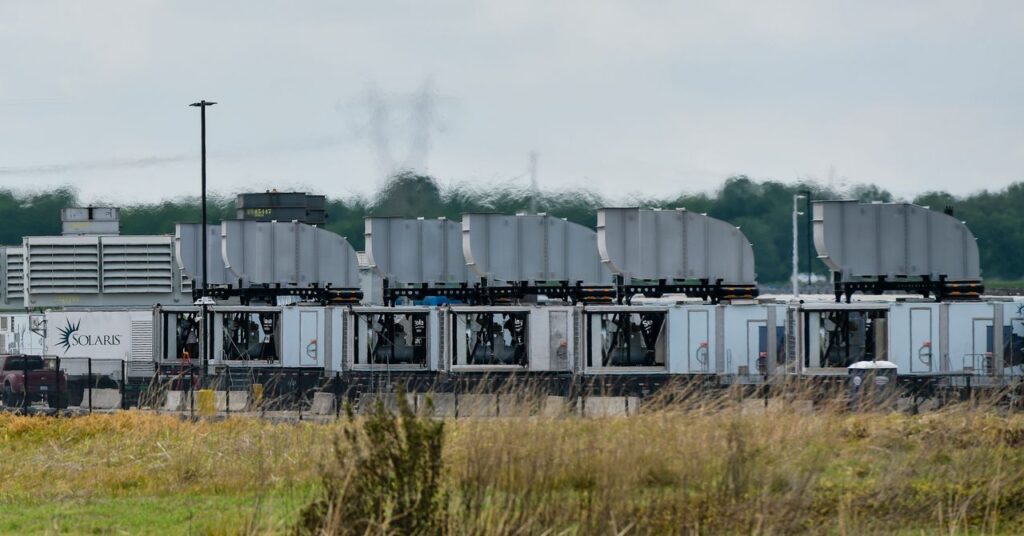
The Department of Justice has stepped into a lawsuit concerning xAI’s gas turbines as of Monday. In its filing, the agency expressed support for Elon Musk’s company, arguing that efforts to halt xAI’s operation of the natural gas turbines “endangers American national, economic, and energy security by attempting to cut off the power supply necessary for artificial intelligence innovation that assists with the Department of War’s military functions.”
The DOJ, together with xAI and the state of Mississippi, has requested the court to dismiss the lawsuit, which was initiated by the NAACP in April.
The NAACP claims that xAI is violating the Clean Air Act and jeopardizing public health by operating unpermitted natural gas turbines at its second data center in Southaven, Mississippi, known as Colossus 2. In May, the NAACP sought a preliminary injunction to prevent xAI from continuing turbine operations, alleging that operating them without a permit “increases risks of asthma attacks and heart disease” in areas already facing significant pollution challenges.
Neither xAI nor the DOJ responded immediately to a request for comment.
According to the DOJ memorandum, only four artificial intelligence models, including Grok, “support mission-critical operations across Secret and Top-Secret classified networks.” A separate declaration from Cameron Stanley, the chief digital and artificial intelligence officer at the Department of Defense, explains how the military utilizes Grok’s Gov model to “support essential national security missions,” including its use in recent operations against Iran. Stanley asserts that compelling xAI to cease the operation of the gas turbines powering Colossus 2 “directly jeopardizes ongoing national security interests.”
xAI—affiliated with SpaceX—gained national attention in 2024 when residents of southwest Memphis expressed concerns about the company’s unpermitted turbine operations at its initial data center location. The Memphis area has some of the highest asthma rates in the nation, and locals feared additional pollution from the unpermitted turbines. State agencies in both Tennessee and Mississippi have claimed the company has a year to operate the turbines without clean air permits, a statement that the NAACP contends is inconsistent with regulations from the Environmental Protection Agency.
The original lawsuit from the NAACP identified 27 turbines functioning without permits at the Southaven site. However, emails exchanged between xAI and state regulators, obtained by the Southern Environmental Law Center (SELC), which collaborates in the NAACP lawsuit, reveal that as of mid-May, there were 57 turbines operating at the Colossus 2 site without permits. Many of these turbines were reportedly added weeks after the NAACP filed its lawsuit.
The increase of turbines at Colossus 2 from 27 to 57 indicates, according to the SELC, that the site has experienced a 111 percent rise in nitrogen oxide emissions, an 83 percent rise in PM2.5 emissions, and an 88 percent rise in formaldehyde emissions since April.

Rajat Sharma
https://in.linkedin.com/in/rajat-mediaHelping D2C Brands Scale with AI-Powered Marketing & Automation 🚀 | $15M+ in Client Revenue | Meta Ads Expert | D2C Performance Marketing Consultant