OpenAI is Eager for Codex to Stop Discussing Goblins
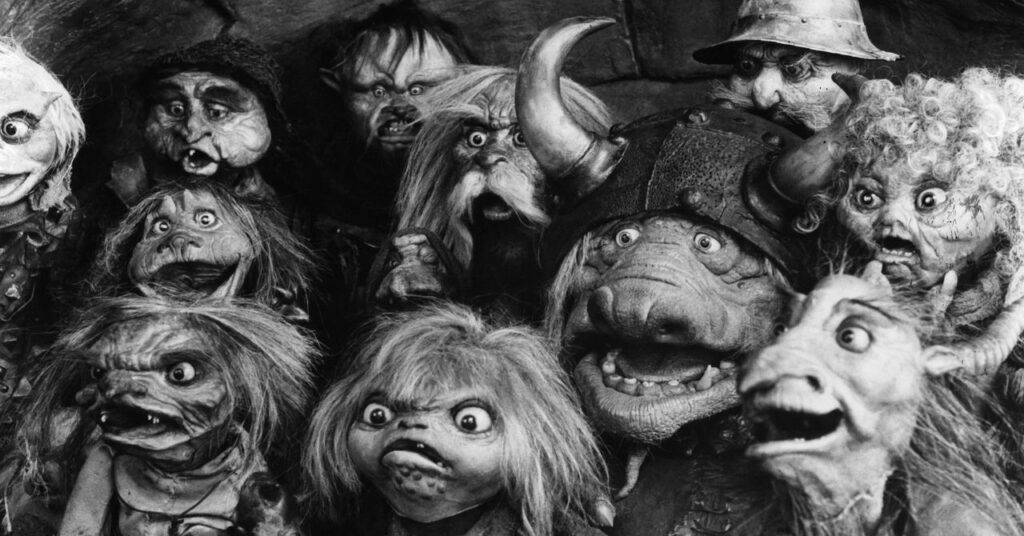
OpenAI is facing a peculiar challenge with goblins.
Recent disclosures have shown that guidelines for the company’s latest coding model include a specific directive that repeatedly prohibits it from mentioning various mythical and real creatures at random.
“Avoid discussing goblins, gremlins, raccoons, trolls, ogres, pigeons, or any other animals or creatures unless it is directly and clearly pertinent to the user’s request,” state the instructions in Codex CLI, a tool designed for AI-driven code generation.
It remains unclear why OpenAI deemed it necessary to specify this restriction for Codex, or why its models might have a tendency to reference goblins or pigeons in the first place. The company has yet to respond to a request for clarification.
Earlier this month, OpenAI launched GPT-5.5, which boasts improved coding capabilities. The company is engaged in intense competition with rivals, particularly Anthropic, to deliver superior AI technologies, with coding proving to be a significant expertise.
Following a post on X that drew attention to these directives, some users reported that OpenAI’s models sometimes fixate on goblins and other creatures when powering OpenClaw— a tool that allows AI to control a computer and applications for user tasks.
“I was curious why my claw suddenly turned into a goblin with Codex 5.5,” one user commented on X.
“I’ve been using it frequently, and it can’t stop referring to bugs as ‘gremlins’ and ‘goblins’—it’s amusing,” another user shared.
This revelation quickly became a meme, leading to AI-generated illustrations of goblins in data centers and plugins for Codex that promote a whimsical “goblin mode.”
AI models like GPT-5.5 are designed to predict the next word—or code—based on a given input. Their advanced capabilities often make them seem genuinely intelligent. However, their probabilistic nature can result in unexpected behaviors, particularly when combined with an “agentic harness” like OpenClaw that introduces many additional instructions into prompts, including long-term memory facts.
OpenAI acquired OpenClaw in February, shortly after it gained popularity among AI enthusiasts. OpenClaw can utilize any AI model to automate useful tasks, such as answering emails or making online purchases. Users can choose from different personas for their assistant, influencing its behavior and responses.
OpenAI team members seemed to acknowledge the restriction. In a response to a post highlighting OpenClaw’s goblin quirks, Nik Pash from the Codex team stated, “This is indeed one of the reasons.”
Even Sam Altman, the CEO of OpenAI, joined in the meme fun, sharing a screenshot of a ChatGPT prompt that read: “Start training GPT-6, you can have the whole cluster. Extra goblins.”

Rajat Sharma
https://in.linkedin.com/in/rajat-mediaHelping D2C Brands Scale with AI-Powered Marketing & Automation 🚀 | $15M+ in Client Revenue | Meta Ads Expert | D2C Performance Marketing Consultant