Anthropic Disapproves of the Strict AI Liability Legislation Supported by OpenAI
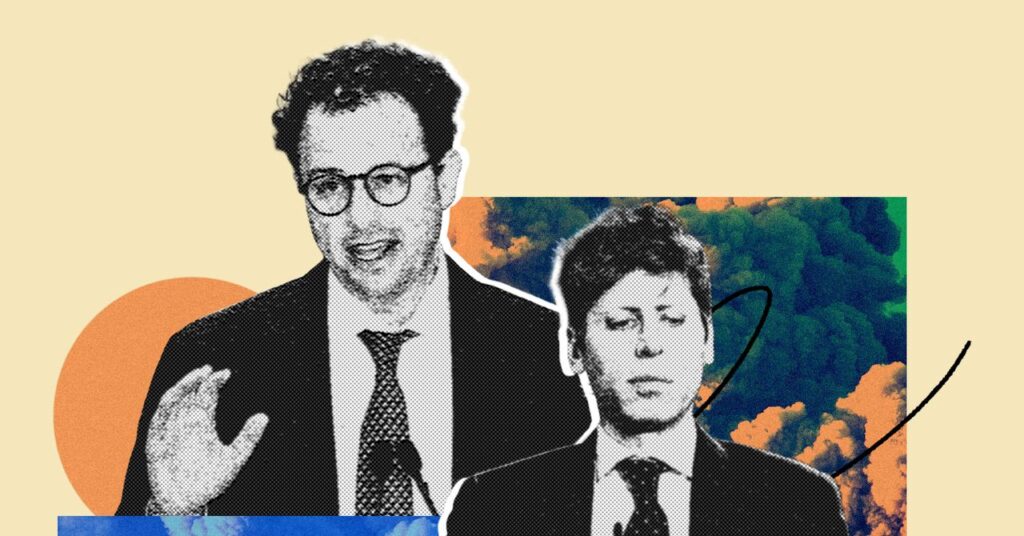
Anthropic has voiced its opposition to a proposed Illinois law supported by OpenAI, which would exonerate AI labs from liability if their systems were used to cause extensive harm, such as mass casualties or more than $1 billion in property destruction.
The debate surrounding bill SB 3444 is establishing fresh divisions between Anthropic and OpenAI regarding the regulation of AI technologies. Although AI policy analysts suggest the likelihood of this legislation becoming law is slim, it has highlighted political rifts between two major US AI laboratories, tensions that may escalate as both companies increase their lobbying efforts across the nation.
Privately, Anthropic has been actively engaging with state senator Bill Cunningham, the sponsor of SB 3444, along with other Illinois lawmakers, urging them to significantly revise or abandon the bill entirely, according to sources familiar with the situation. An Anthropic representative confirmed the company’s stance against SB 3444 in an email to WIRED, noting that they have had constructive discussions with Cunningham about using the bill as a foundation for future AI legislation.
“We oppose this bill. Effective transparency legislation should prioritize public safety and hold companies accountable for the development of this powerful technology, rather than offering a blanket immunity from all liability,” stated Cesar Fernandez, Anthropic’s head of US state and local government relations. “We recognize that Senator Cunningham is genuinely concerned about AI safety, and we are eager to cooperate with him on changes that would pair transparency with genuine accountability for mitigating the most serious risks posed by advanced AI systems.”
Representatives for Cunningham did not respond to a request for comment. A spokesperson for Illinois governor JB Pritzker provided the following statement: “While the Governor’s Office will keep an eye on and evaluate the numerous AI bills progressing through the General Assembly, Governor Pritzker does not believe that large tech companies should be granted complete immunity evading their responsibilities to protect the public interest.”
The core of the disagreement between OpenAI and Anthropic over SB 3444 revolves around who should bear responsibility in the event of an AI-caused catastrophe—a scenario that US lawmakers are only beginning to grapple with. If SB 3444 were enacted, an AI lab would not be liable if a malicious entity leveraged its AI model to, for instance, develop a bioweapon resulting in numerous fatalities, as long as the lab established its own safety protocols and published them on its website.
OpenAI contends that SB 3444 mitigates the risk of severe harm from advanced AI systems while “still enabling this technology to reach individuals and businesses—both small and large—within Illinois.”
The creator of ChatGPT has indicated that it has collaborated with states like New York and California to devise what it describes as a “harmonized” regulatory approach to AI. “In the absence of federal action, we will persist in working with states—including Illinois—to establish a consistent safety framework,” stated OpenAI spokesperson Liz Bourgeois. “We hope that these state laws will contribute to shaping a national framework that ensures the US maintains its leadership position.”
Conversely, Anthropic asserts that companies creating advanced AI models should be held at least partially accountable if their technology results in widespread societal harm.
Some experts argue that the bill would undermine existing regulations designed to prevent misconduct. “Liability is already a feature of common law and serves as a significant motivator for AI firms to take necessary precautions against foreseeable risks posed by their AI systems,” explains Thomas Woodside, cofounder and senior policy advisor at the Secure AI Project, a nonprofit advocating for AI safety laws in California and New York. “SB 3444 would take the drastic measure of almost entirely eliminating liability for severe damages. Weakening liability is misguided, as it is often the most significant form of legal accountability for AI companies already in place in most states.”

Rajat Sharma
https://in.linkedin.com/in/rajat-mediaHelping D2C Brands Scale with AI-Powered Marketing & Automation 🚀 | $15M+ in Client Revenue | Meta Ads Expert | D2C Performance Marketing Consultant