The True Battle for AI Talent Focuses on Tradespeople Like Plumbers and Electricians
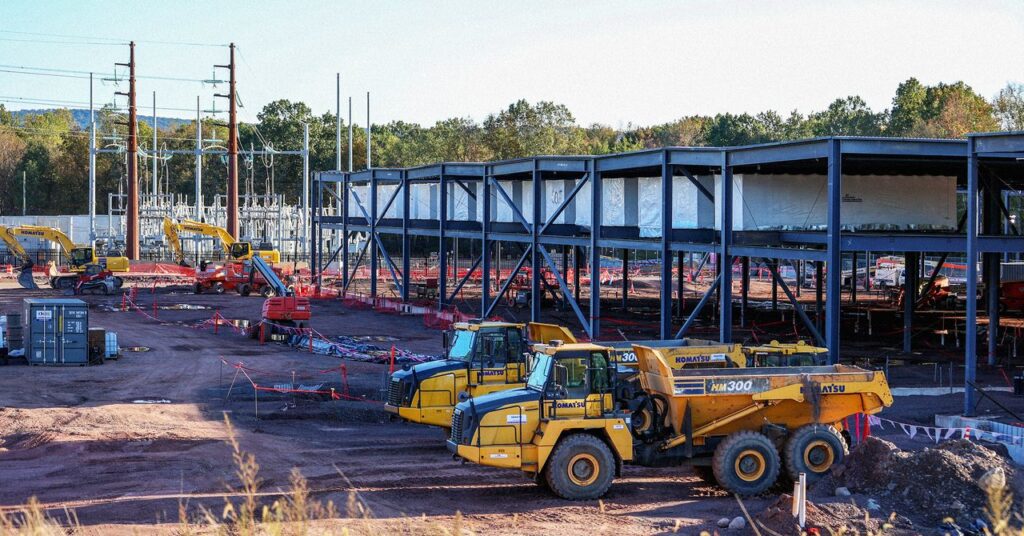
“We consistently receive more applications than we can accommodate in our apprenticeship programs,” Madello notes. The number of trainees accepted relies heavily on the anticipated retirements of union members in the upcoming years.
One challenge, however, is the need to train workers quickly enough for data center projects. Quinonez points out that while the work is similar to other plumbing tasks, the strict timelines for data centers leave minimal room for mistakes or delays.
This is significant because apprentices usually learn on-site alongside seasoned plumbers at active construction locations. In data center projects, Quinonez remarks, companies are less inclined to take risks since even minor errors can hinder progress.
“If something goes wrong, it could be very expensive for a contractor,” he explains. He adds that apprentices and trainees might require “more extensive training” before being assigned to assist with data center construction.
David Long, CEO of the National Electrical Contractors Association (NECA), states that the organization has adapted well to retirements by training new electricians. However, the size and technical demands of data center projects present a “challenge” — which he asserts NECA is effectively addressing — to ensure that all workers are onboarded efficiently and safely.
Charles White, who oversees regulatory affairs at PHCC, informs WIRED that there are ample incentives for plumbers, pipe layers, and HVAC technicians to engage in data center work. These projects often provide higher wages than other construction types, partly due to their tight timelines, which increase the likelihood of overtime.
White further mentions that the high demand for plumbers motivates workers to switch employers, often lured by the extended hours and better salaries offered by data center developers.
“I hear these stories frequently,” Quinonez shares with WIRED. “You’re likely to get paid quickly because you’re dealing with an Amazon, a Google, or a large tech company. There’s competition everywhere.”
“The competition does indeed become intense,” Quinonez continues. “And part of the challenge is simply that there aren’t enough plumbers and HVAC technicians.”
Across any industry, companies invariably vie for a limited pool of labor. However, in construction, Madello notes that some pressure is alleviated by the availability of traveling tradespeople ready to show up “whenever something is built in remote areas.”
It remains uncertain how long the demand for tradespeople will persist after the artificial intelligence boom eventually subsides. Once construction concludes, data centers typically retain a small team on-site around the clock, along with a network of external contractors responsible for repairs across multiple facilities.
“When the project is completed, there aren’t throngs of people,” White mentions to WIRED. “Yet, there are systems that need maintenance and operations. So a portion of those workers will remain to join a maintenance or operations crew.”
If construction slows down eventually, there may not be sufficient alternative job opportunities, particularly if the US economy enters a recession. For the time being, however, business is thriving, and the future remains uncertain. “Is it a lasting boom? Will it crash dramatically?” asks Basu. “Is activity merely receding gradually once the peak of the boom passes?”

Rajat Sharma
https://in.linkedin.com/in/rajat-mediaHelping D2C Brands Scale with AI-Powered Marketing & Automation 🚀 | $15M+ in Client Revenue | Meta Ads Expert | D2C Performance Marketing Consultant